

Special Monthly Compensation (SMC) Explained
SMC Special Monthly Compensation (SMC) is an additional level of VA disability compensation available to veterans with severe service-connected disabilities. Unlike standard disability ratings (0–100%), SMC provides higher compensation based on specific types of impairment, such as loss of use of extremities, severe sensory disabilities, or the need for regular aid and attendance.
Because SMC is governed by complex statutory and regulatory rules—and often overlooked by VA—understanding eligibility and properly developing the claim is critical.
SMC provides compensation above the standard 100% rate for veterans with severe disabilities or special circumstances.
Eligibility depends on specific criteria, including loss of use, aid and attendance, or combinations of disabilities.
Important to Know: VA is required to consider SMC when raised by the record, but often fails to do so correctly.
Bottom Line Up Front:
Loss or loss of use of extremities
Severe visual or hearing impairment
The need for regular aid and attendance
Housebound status
Combinations of disabilities creating greater levels of impairment
SMC is governed primarily by 38 U.S.C. § 1114 and 38 C.F.R. § 3.350 and provides increased compensation for veterans whose service-connected disabilities result in:
What is Special Monthly Compensation (SMC)?
SMC is paid at different levels, identified by letters (SMC-K through SMC-T), depending on the severity and type of disability.
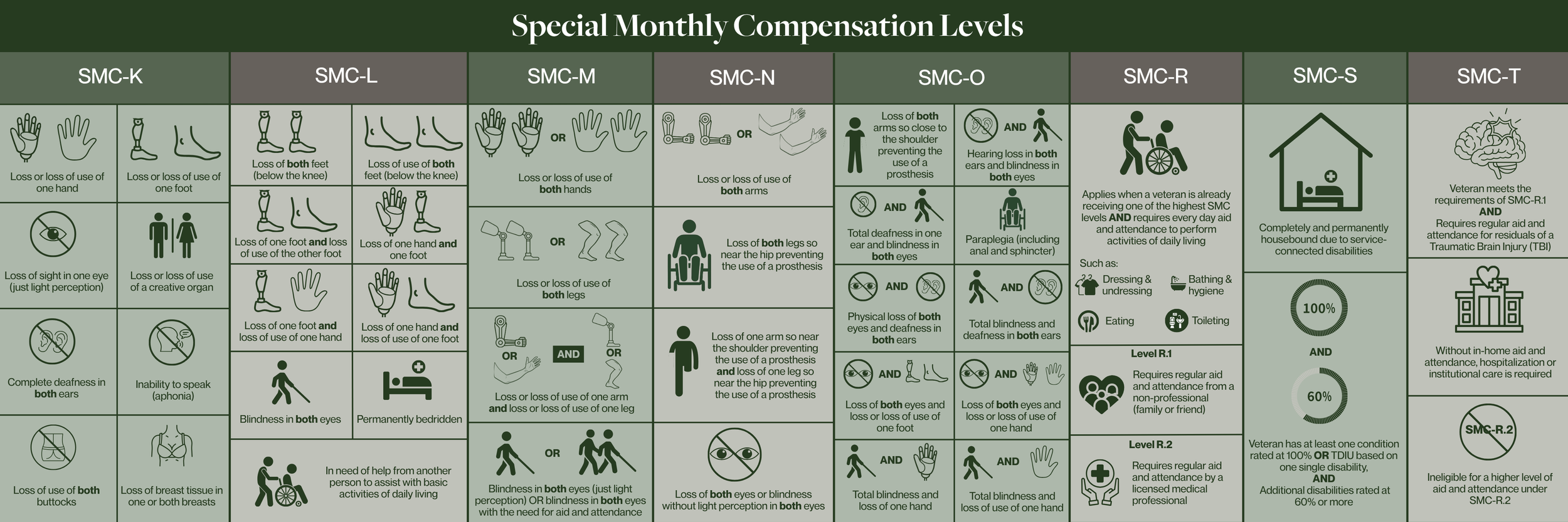
Most SMC levels replace the standard compensation rate
SMC-K is unique because it is paid in addition to the base rate
Some levels can be combined or “stacked” depending on the circumstances
SMC levels correspond to subsections of 38 U.S.C. § 1114.
Understanding SMC Levels
The levels are as follows (in alphabetical order / order in 38 U.S.C. § 1114):
One hand or foot
Creative organs
One eye (limited vision)
Complete deafness in both ears
Loss of breast tissue (in certain cases)
SMC-K is awarded for loss or loss of use of specific body parts or functions, including:
SMC-K
A veteran may receive multiple SMC-K awards, which are added to the base compensation rate.
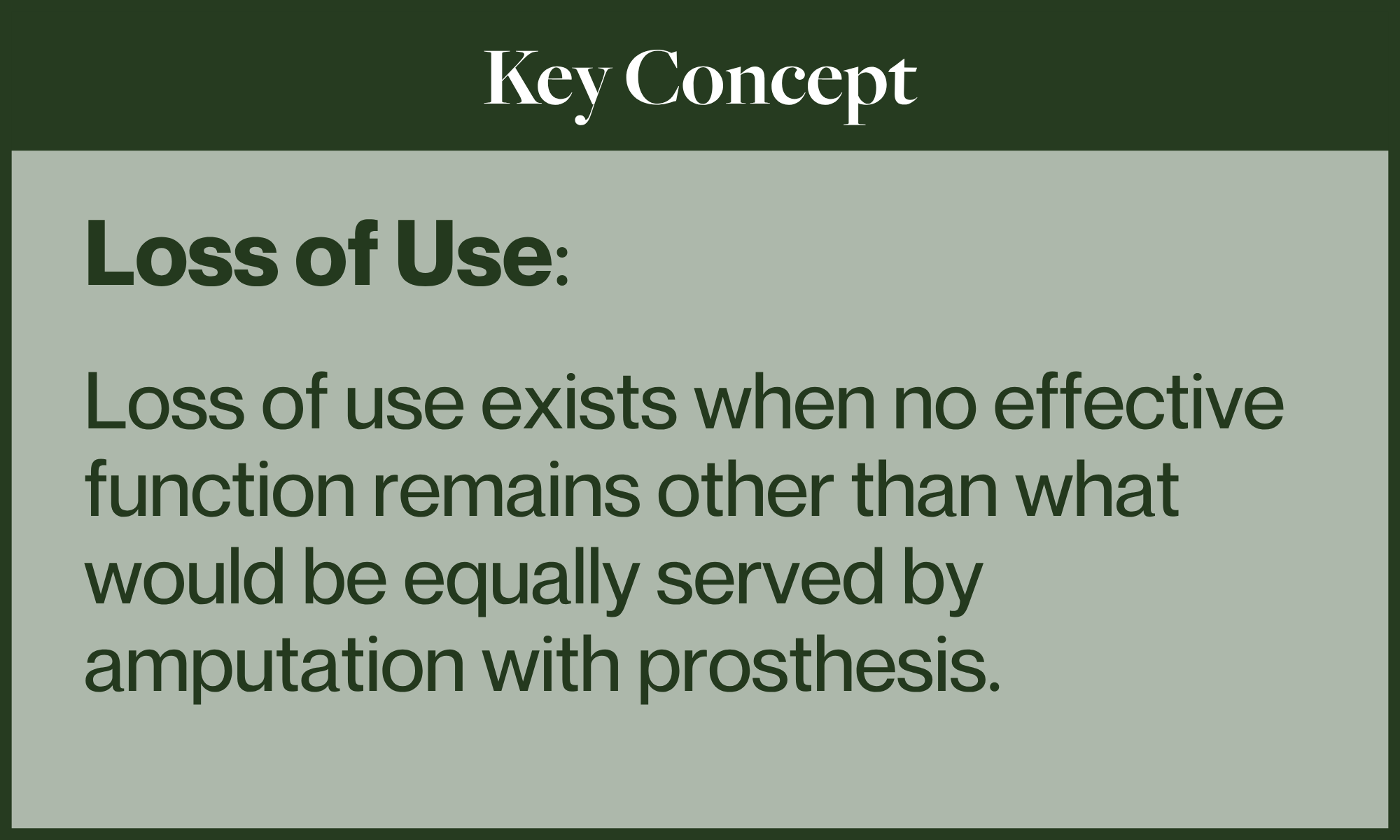
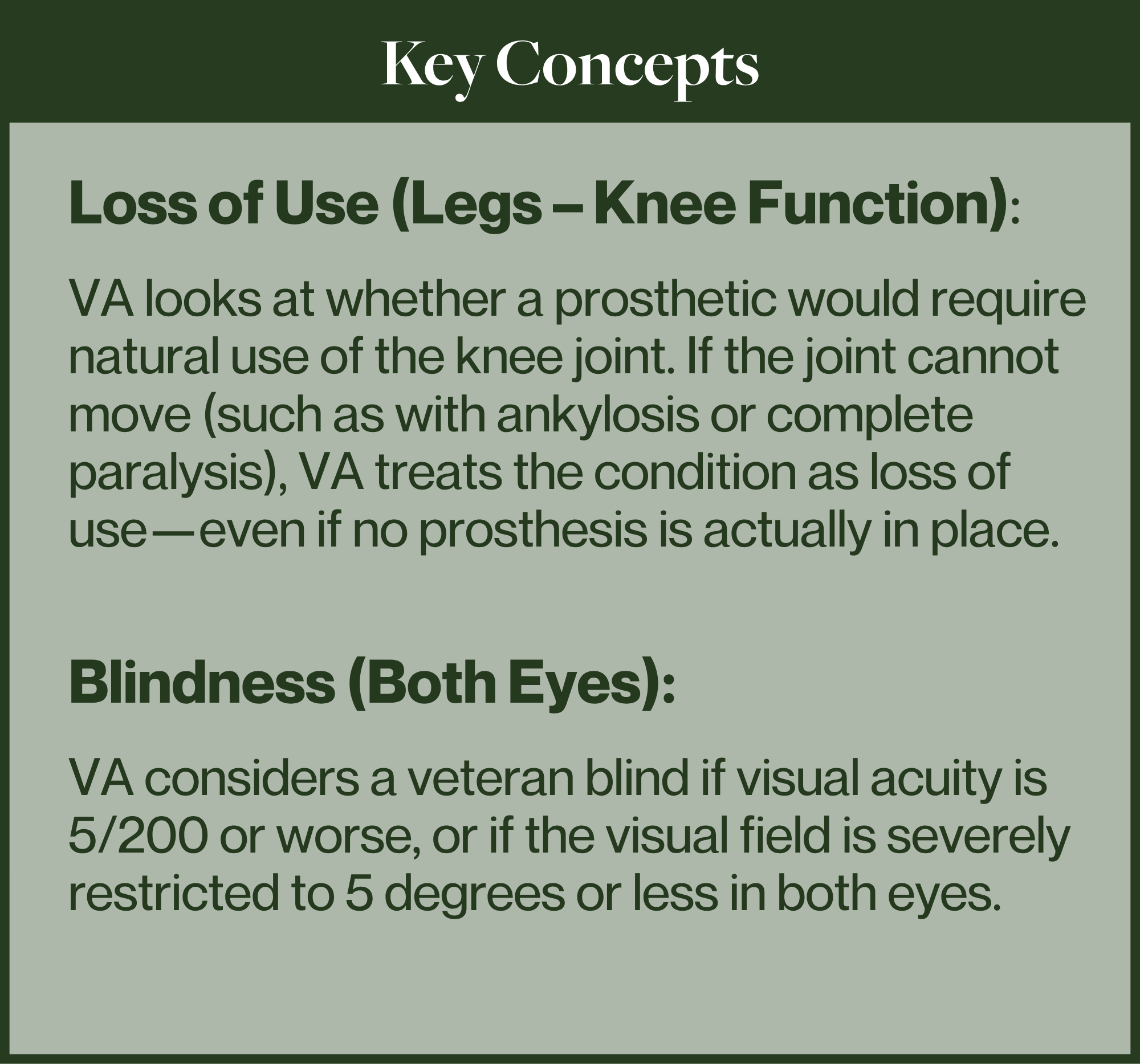
Loss of use of both feet or one hand and one foot
Severe blindness
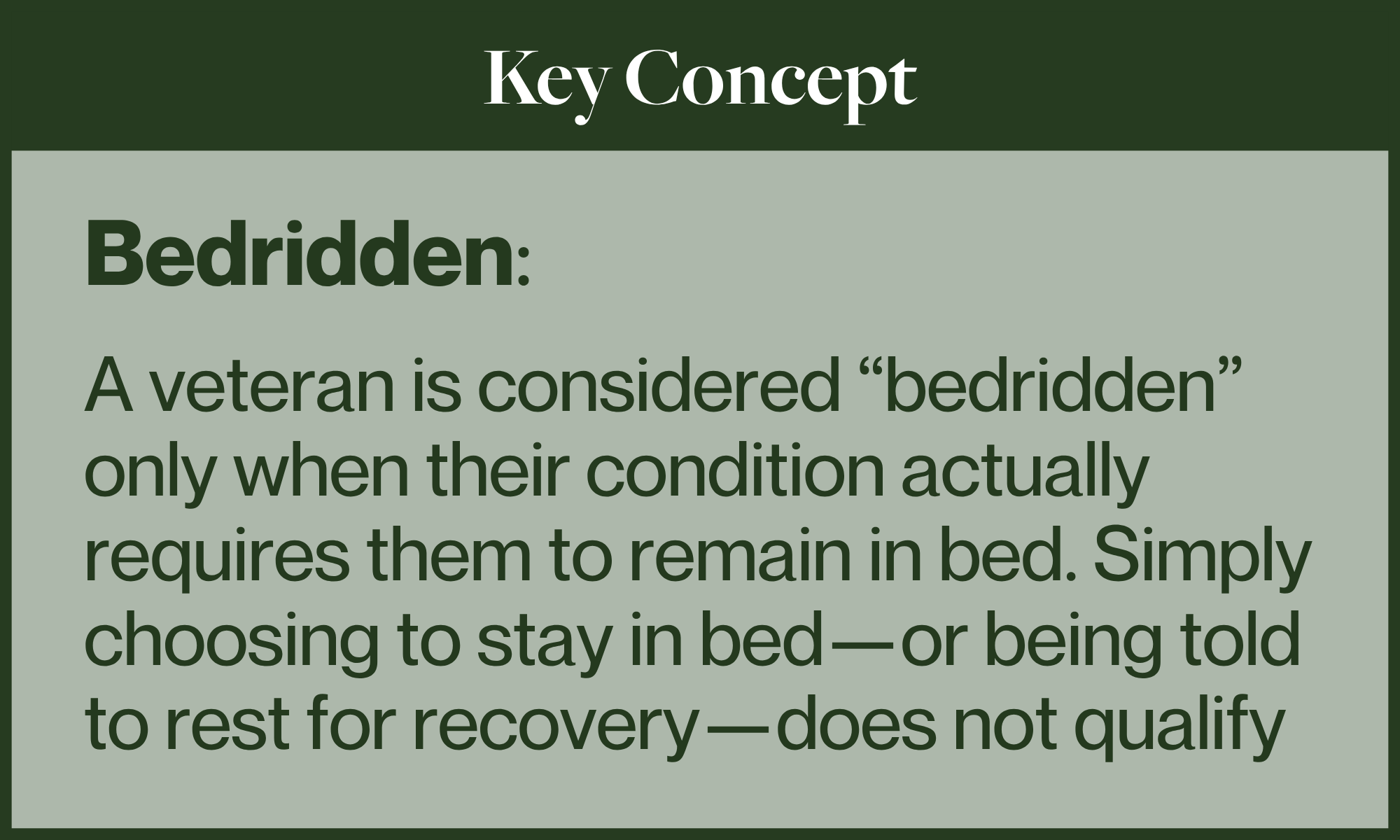
Being permanently bedridden
Need for regular aid and attendance
SMC-L (Aid and Attendance / Severe Disability)
SMC-L may be awarded for:
In practice, this level is most commonly awarded based on aid and attendance.
Inability to dress, bathe, or maintain hygiene
Inability to feed oneself
Inability to attend to toileting
Need for assistance to avoid daily hazards
VA considers factors such as:
In our practice, we most often see SMC-L awarded based on the need for regular aid and attendance. For a detailed discussion of aid and attendance, please click here.
These higher levels apply to progressively more severe disabilities, including combinations such as:
SMC-M, SMC-N, and SMC-O (Increasing Levels of Severity)
Loss of use of multiple extremities
Severe blindness
Combinations of disabilities affecting mobility and independence
Important Note on Combining SMC Levels: To qualify for higher SMC levels based on multiple conditions, those conditions must be separate and distinct. In other words, you cannot use the same disability twice to qualify for a higher level of SMC. For example, if a veteran’s loss of use of both legs is the reason they also need aid and attendance, VA will not count those as two separate qualifying conditions.
SMC-O may also be awarded when a veteran qualifies for multiple SMC levels (L through N) based on separate disabilities.
SMC-P (Intermediate “Step-Up” Ratings)
SMC-P provides intermediate increases (“half-step” or “full-step”) between levels when:
A veteran has additional independent disabilities rated at 50% or 100%
The disabilities are separate and affect different body systems
These increases can stack, but cannot exceed the SMC-O rate.
SMC-R (Aid and Attendance / Higher Level of Care)
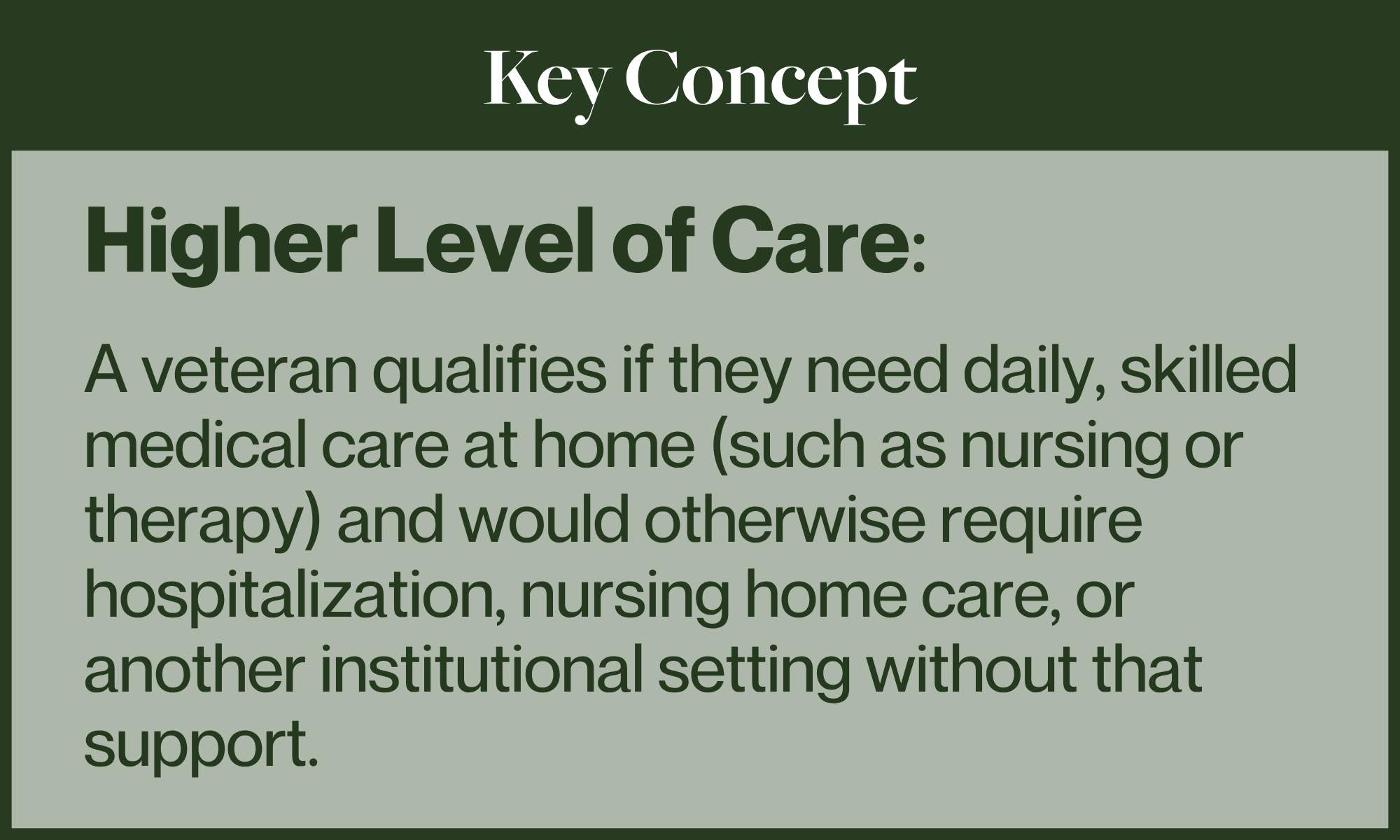
SMC-R applies when a veteran is already receiving one of the highest SMC levels and:
Requires regular aid and attendance (SMC-R.1), or
Requires a higher level of care (SMC-R.2)
A higher level of care means the veteran would otherwise require institutional care (e.g., nursing home) without daily skilled assistance.
Has one disability rated at 100% or TDIU based on a single disability, and
Has additional disabilities rated at 60% or more, or
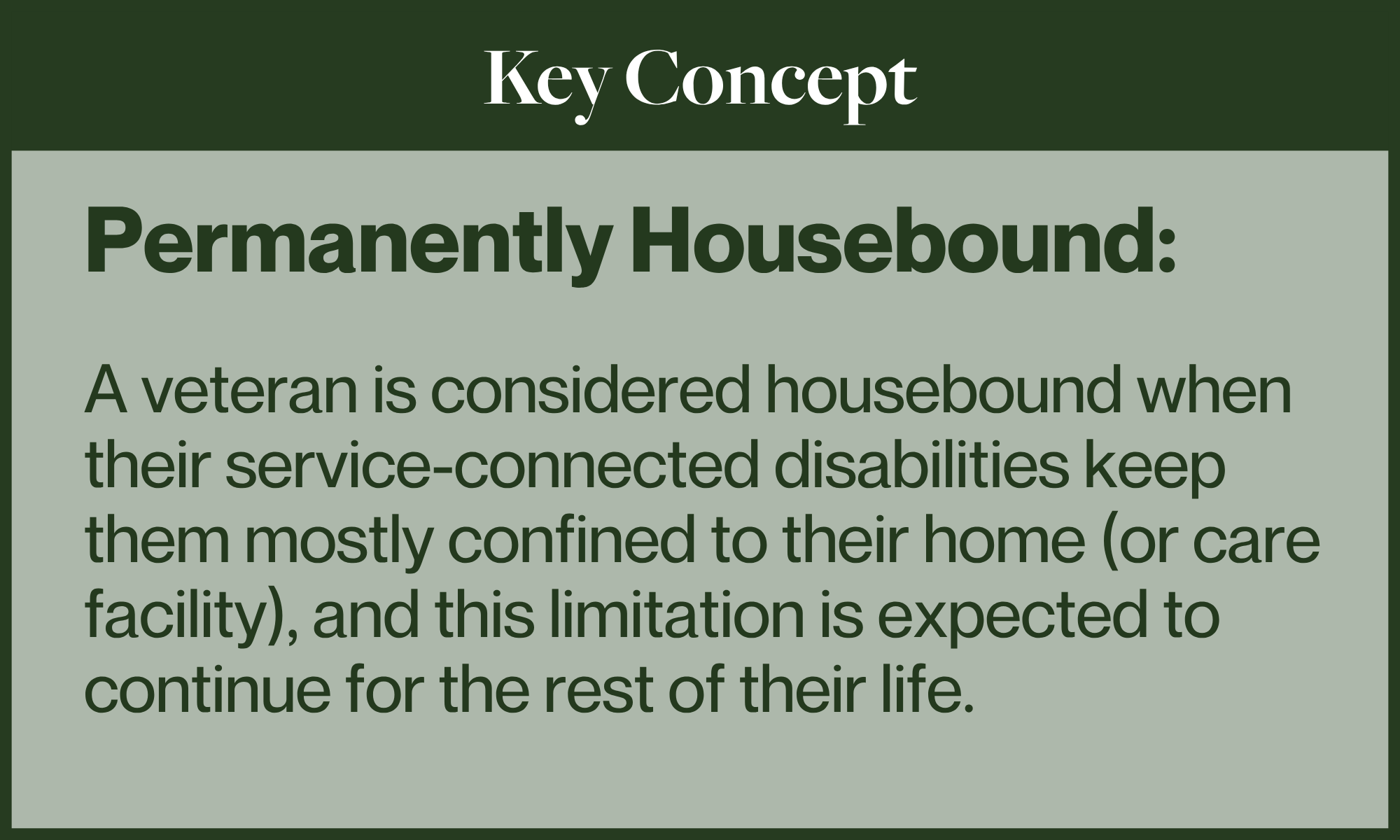
Is permanently housebound due to service-connected disabilities
SMC-S (Housebound)
SMC-S may be awarded when a veteran:
For a more detailed discussion of SMC-S click here
SMC-T applies to veterans with traumatic brain injury (TBI) who:
SMC-T (Traumatic Brain Injury)
Meet the minimum requirements of SMC-R.1
Require regular aid and attendance
Would otherwise require institutional care
Do not qualify for SMC-R.2
Evidence That Matters Most in SMC Claims
Medical Evidence
VA Form 21-2680 (Aid and Attendance examination)
VA and private treatment records
Medical opinions addressing functional limitations and care needs
Strong medical documentation is critical, including:
In many cases, a private medical opinion is necessary to support entitlement or challenge a VA denial.
The veteran’s daily limitations
Need for assistance with activities of daily living
Level of supervision or care required
Lay Evidence
Lay statements can establish:
Lay evidence is especially important when medical records do not fully reflect the severity of the disability.
How to Appeal a Denied SMC Claim
Supplemental Claim (with new and relevant evidence)
Higher-Level Review
Board of Veterans’ Appeals
If VA denies SMC, Veterans may appeal through:
Because SMC claims involve complex statutory interpretation and detailed medical evidence, professional representation can significantly improve outcomes.
Denied SMC or Unsure If You Qualify? Call Greene & Marusak LLC
SMC claims are among the most complex areas of VA law. Veterans often face denials that overlook critical evidence or misapply the law.
If VA denied your SMC claim—or you are unsure whether you qualify—Greene & Marusak LLC can review your case and explain your options.
Contact us for a free case evaluation today to speak with an experienced VA-accredited claims agent or attorney.