


Special Monthly Compensation (SMC-S) Based on Housebound Status Explained
VA disability ratings generally range from 0% to 100%. However, VA recognizes that even a 100% rating may not fully reflect a veteran’s level of impairment. In these cases, veterans may be entitled to additional compensation above the standard rates, known as Special Monthly Compensation (SMC).
SMC-S, or “housebound” benefits, is awarded when a veteran has severe service-connected disabilities that either meet specific rating thresholds or substantially confine them to their home.
SMC-S provides compensation above the standard 100% rate for veterans with severe disabilities that significantly limit their ability to leave home.
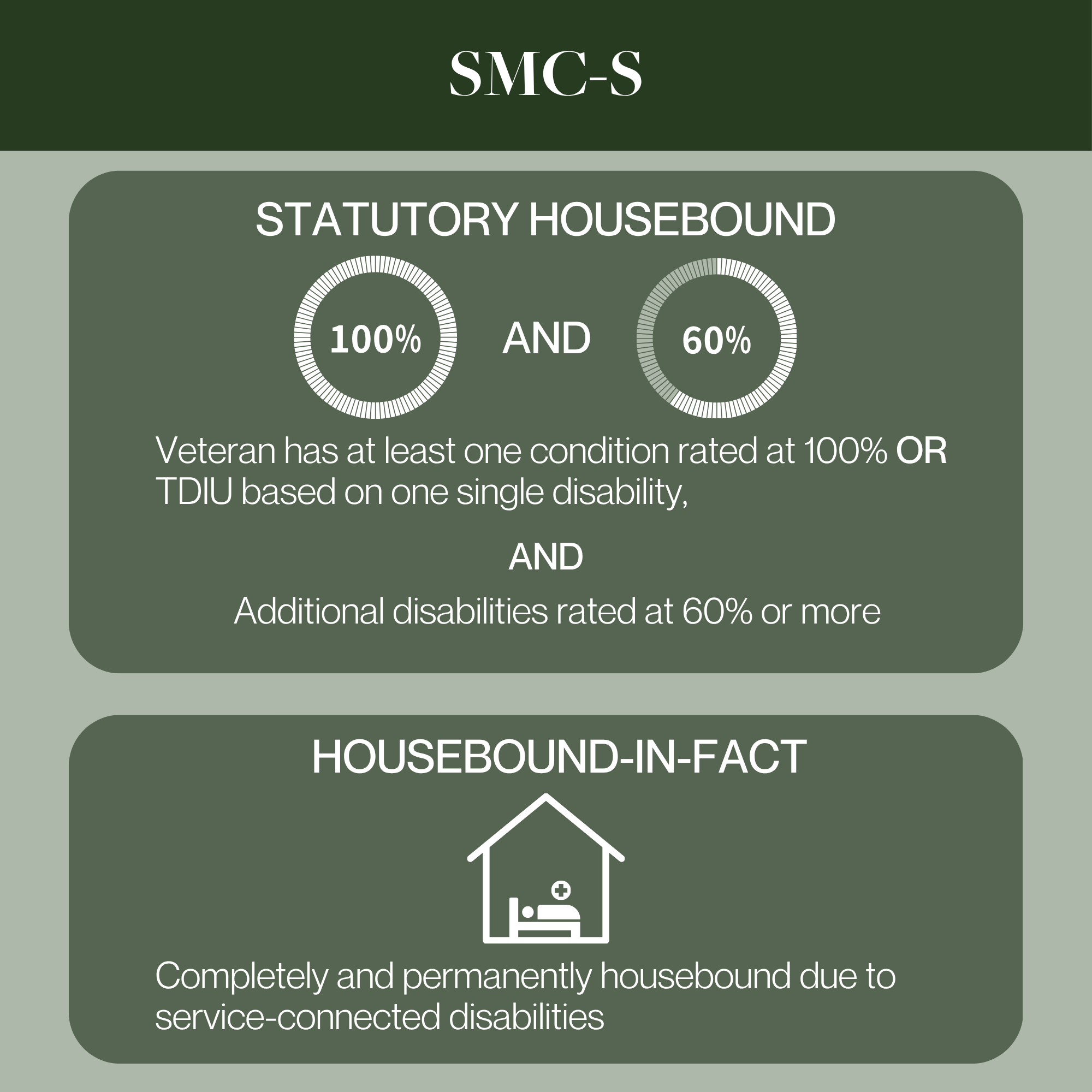
Eligibility is based on either statutory housebound criteria (ratings-based) or being housebound-in-fact (actual confinement) due to service-connected disabilities.
Important to Know: SMC-S is often overlooked. Many veterans qualify without realizing it, especially those with TDIU or multiple high ratings.
Bottom Line Up Front:
A single service-connected disability rated at 100%, and
Either:
Additional service-connected disabilities independently rated at 60% or more, separate and distinct, or
Is permanently housebound due to service-connected disabilities
SMC-S is governed by 38 C.F.R. § 3.350(i) and may be awarded when a veteran has:
What is SMC-S (Housebound)?
For a detailed discussion of all levels of Special Monthly Compensation click here
Two Paths to SMC-S
A veteran qualifies when:
One disability is rated at 100% (including TDIU based on a single disability), and
Additional disabilities combine to at least 60% and are separate from the 100% condition
1) Statutory Housebound (Ratings-Based)
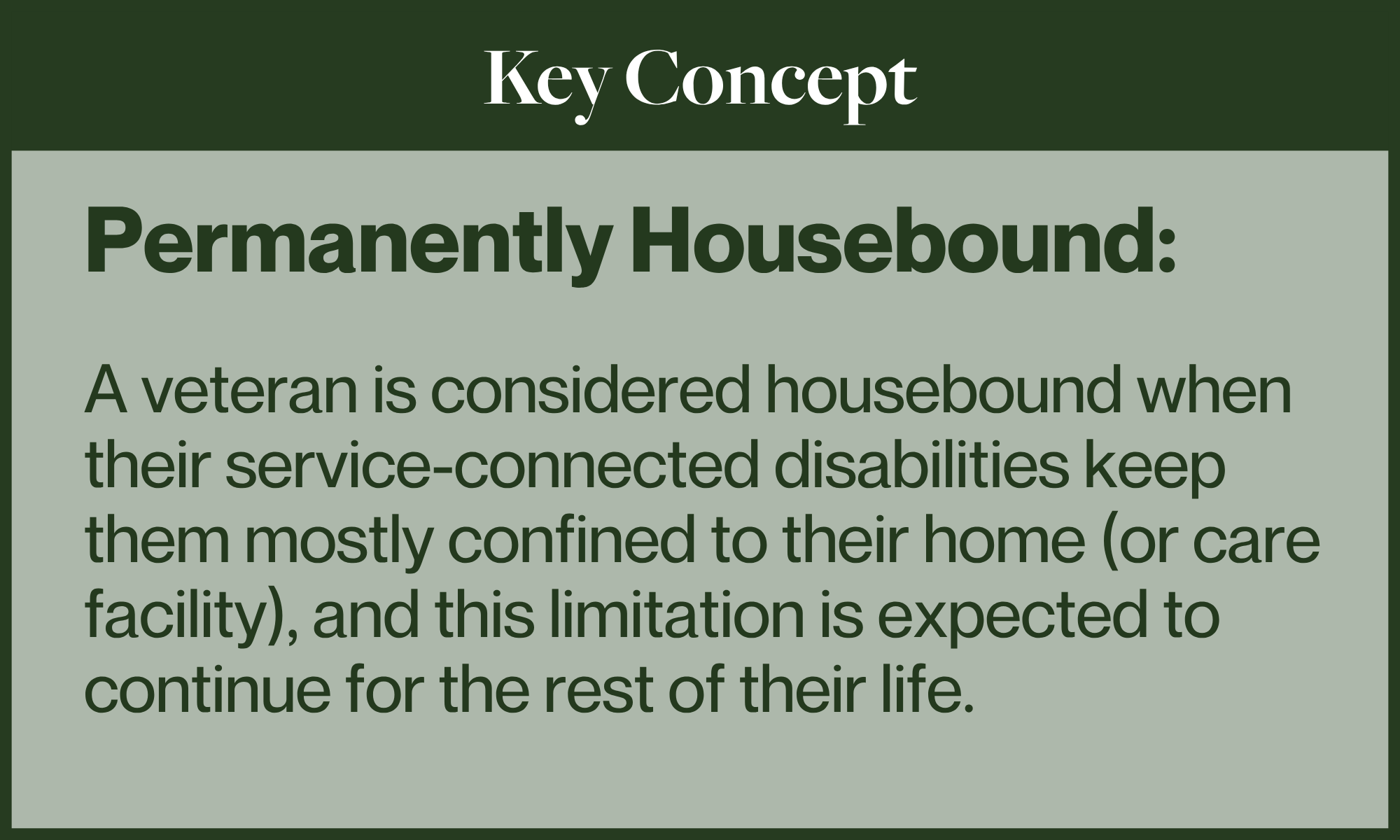
A veteran qualifies when their service-connected disabilities substantially confine them to their home or care facility.
2) Housebound-in-Fact
A TDIU award based on a single disability can satisfy the 100% requirement for SMC-S
Disabilities used to meet the 60% requirement must be separate and distinct from the 100% condition
VA is required to consider SMC-S automatically when the evidence supports it—even if the veteran did not specifically claim it
Important Considerations
Evidence That Matters in SMC Claims
VA Form 21-2680 (Examination for Housebound Status or Aid and Attendance)
VA and private treatment records
Records from care facilities or in-home care providers
Medical Evidence
Strong medical documentation is critical, including:
Medical evidence should address the severity of the condition and its impact on the veteran’s ability to leave the home.
How often the veteran leaves the home (if at all)
Physical or mental limitations that prevent leaving
Need for assistance with mobility, transportation, or daily activities
Lay Evidence
Lay statements can provide critical insight into the veteran’s daily life, including:
Lay evidence is especially important because medical records often do not capture:
The effort required to leave the home
Symptoms triggered by leaving (pain, panic, fatigue)
The frequency with which the veteran remains confined
How to Appeal a Denied SMC-S Claim
Supplemental Claim (with new and relevant evidence)
Higher-Level Review
Board of Veterans’ Appeals
If VA denies SMC-S, Veterans may appeal through:
Because SMC-S is frequently overlooked or improperly analyzed by VA, appeals often focus on correcting legal errors or fully developing the evidence.
Denied SMC-S or Unsure If You Qualify? Call Greene & Marusak LLC
SMC claims are among the most complex areas of VA law. Veterans often face denials that overlook critical evidence or misapply the law.
If VA denied your SMC-S claim—or you are unsure whether you qualify—Greene & Marusak LLC can review your case and explain your options.
Contact us for a free case evaluation today to speak with an experienced VA-accredited claims agent or attorney.