

VA Rating Criteria for TBIs & TBI Residuals Explained

When VA grants service connection for a traumatic brain injury (TBI), it assigns a disability rating based on severity of the residuals that cause impairment of cognitive, emotional/behavioral, and physical functioning. A veteran may receive more than one evaluation for these impairments.
VA generally rates TBI residuals under 38 C.F.R. § 4.124a Diagnostic Code 8045. Ratings commonly fall at 0, 10, 40, 70 or 100-percent, depending on severity.
A residual with a distinct diagnosis may be evaluated under another diagnostic code. For example, a diagnosed mental disorder resulting from a TBI will be rated separately under 38 C.F.R. § 4.130 Schedule of Ratings – Mental Disorders.
A veteran’s C&P exam, treatment notes, and lay statements are all critical forms of evidence when seeking higher ratings for TBI residuals.
Veterans with severe TBIs may qualify for additional benefits, including Total Disability Based on Individual Unemployability (TDIU) or Special Monthly Compensation (SMC).
Bottom Line Up Front:
How VA Rates TBIs (38 C.F.R. § 4.124a)
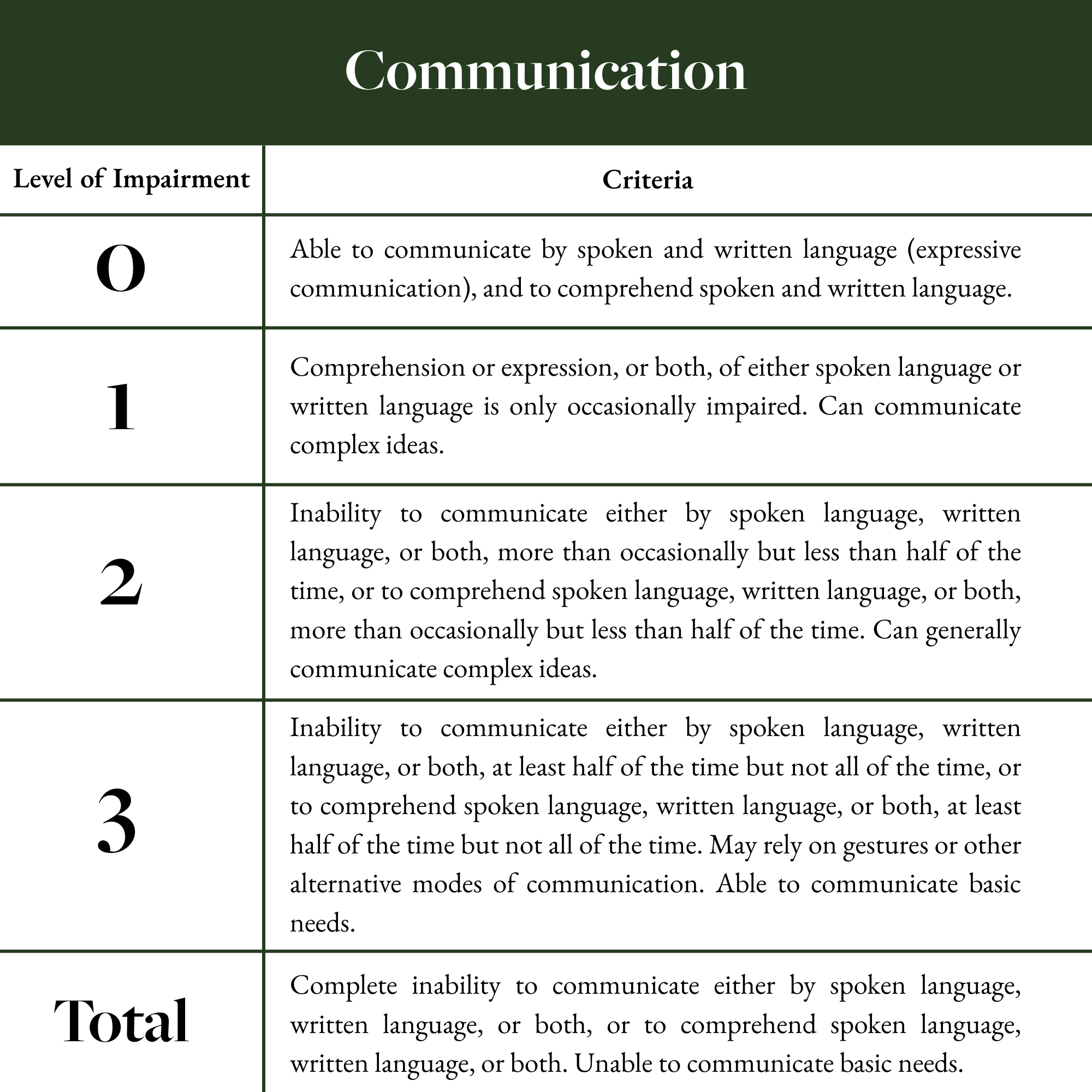
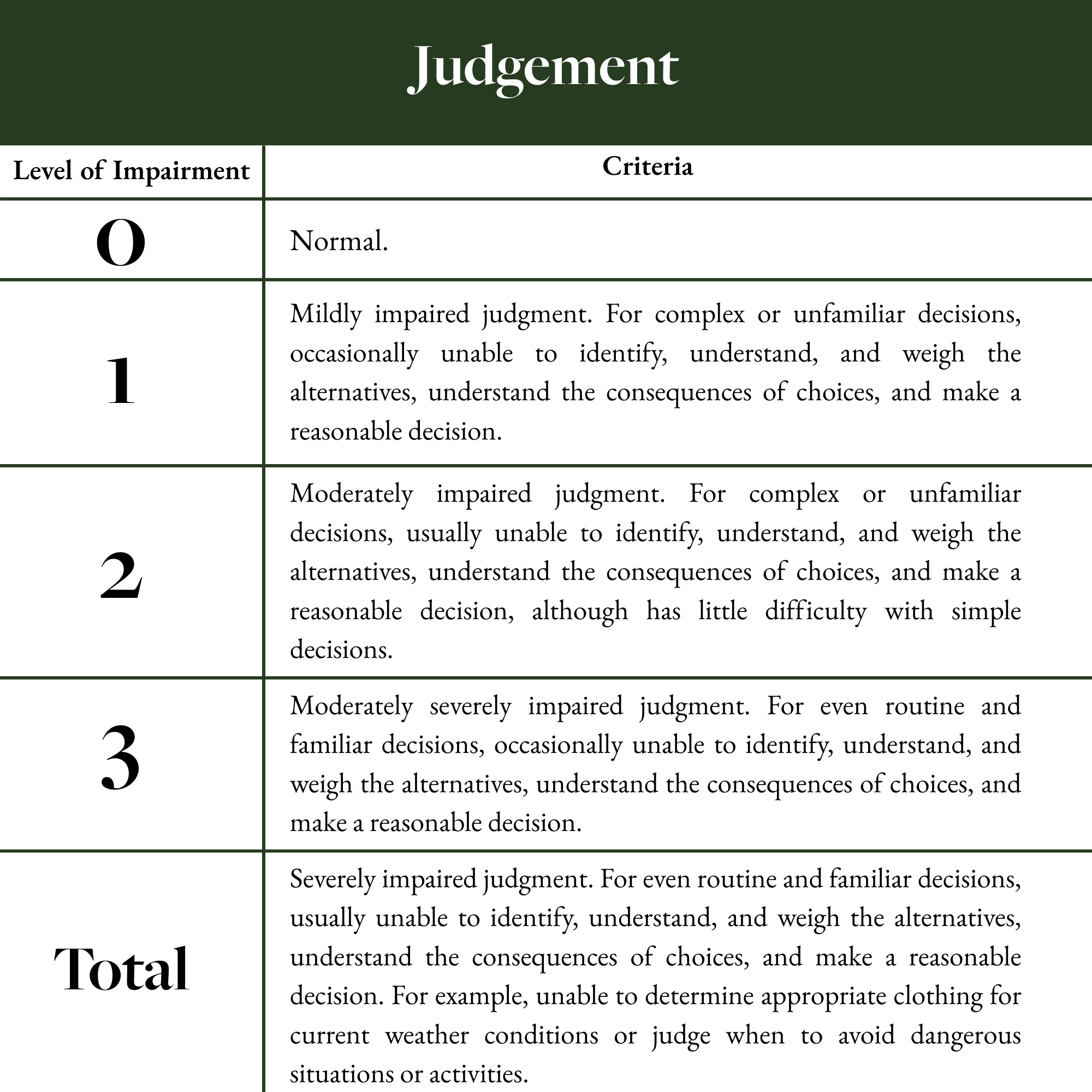
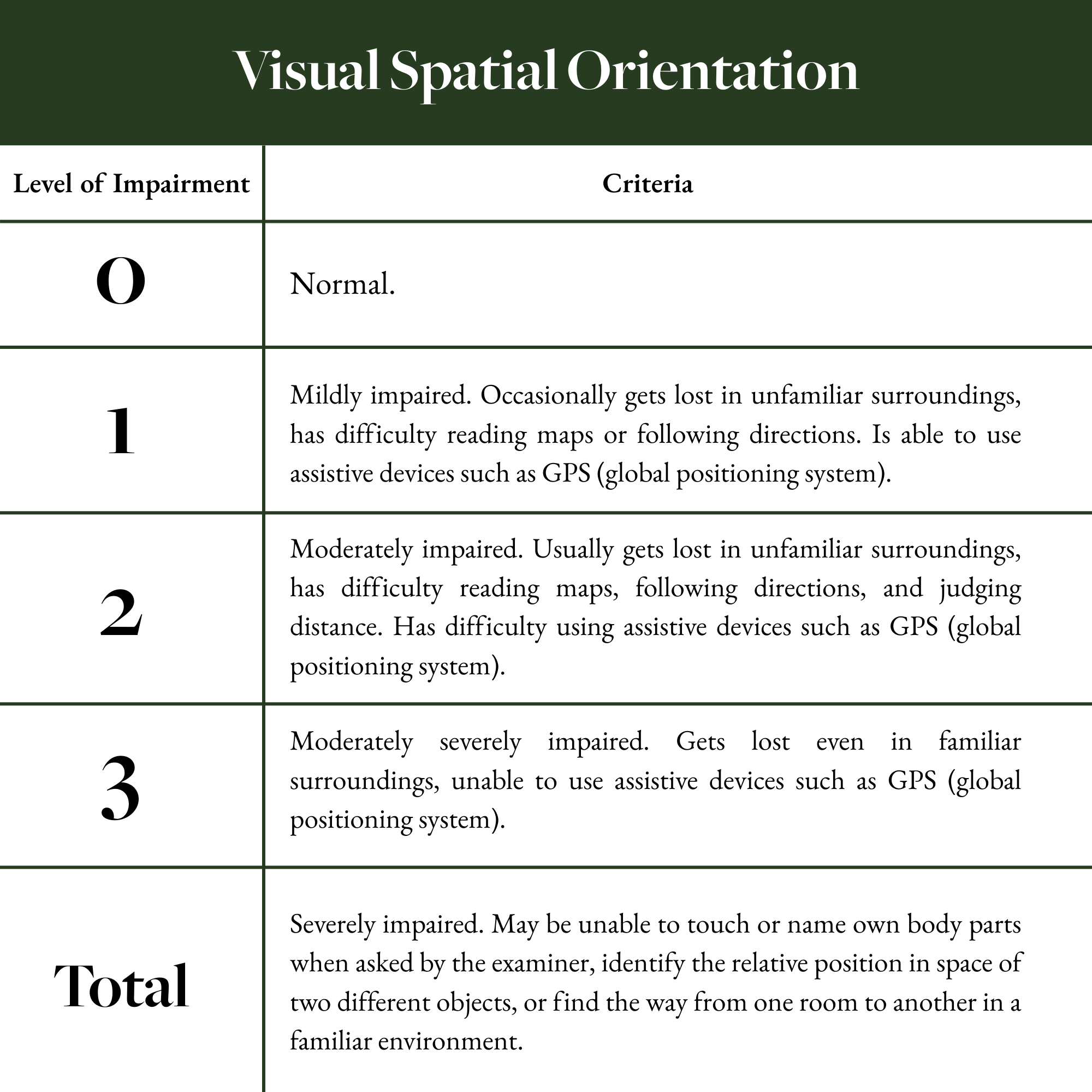
VA evaluates TBI residuals based on 10 facets. VA rates each individual facet, with the most severe rating of any facet determining the overall TBI rating to be assigned. The specific facets include impairment of the following:
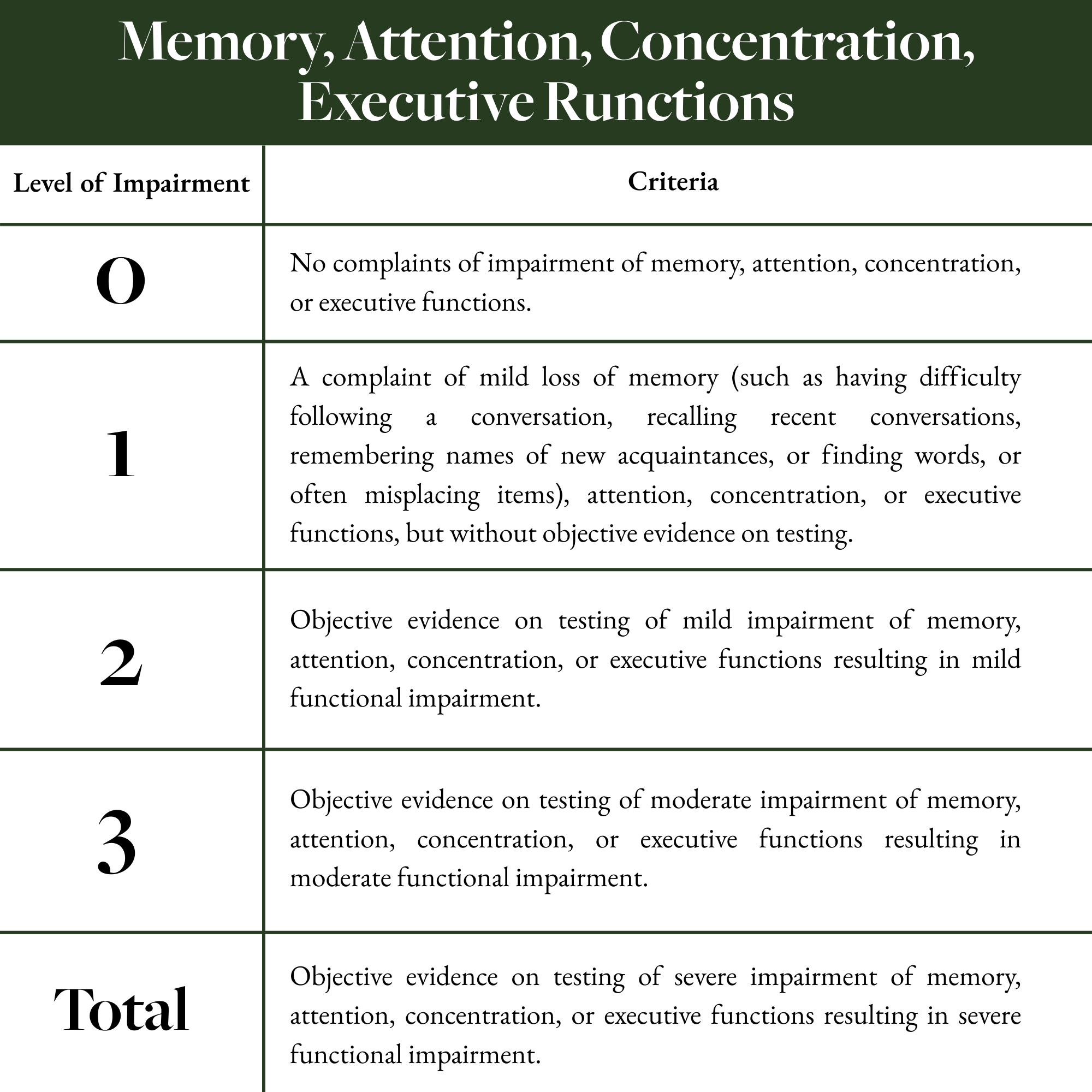
Memory, Attention, Concentration, Executive Functions
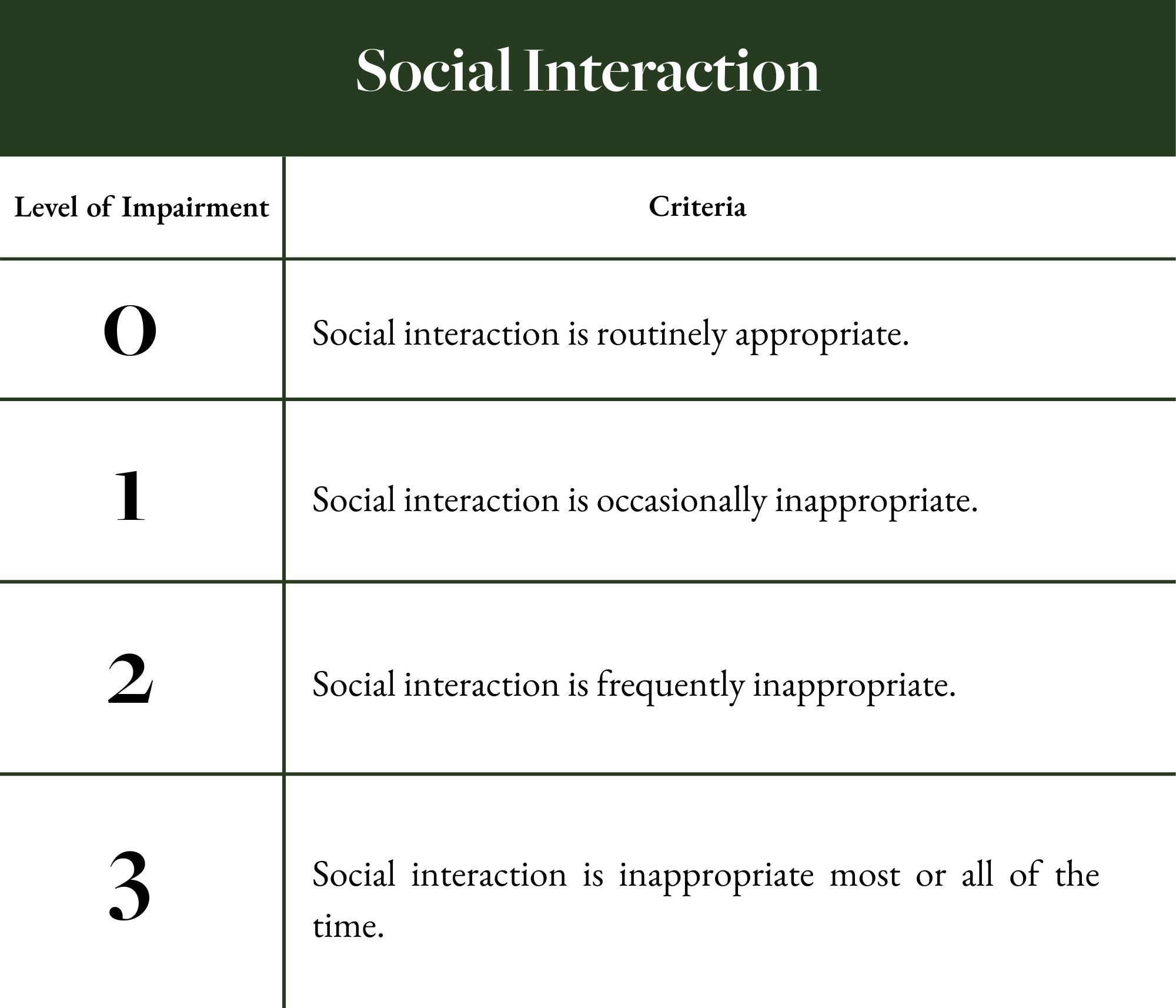
Social Interaction
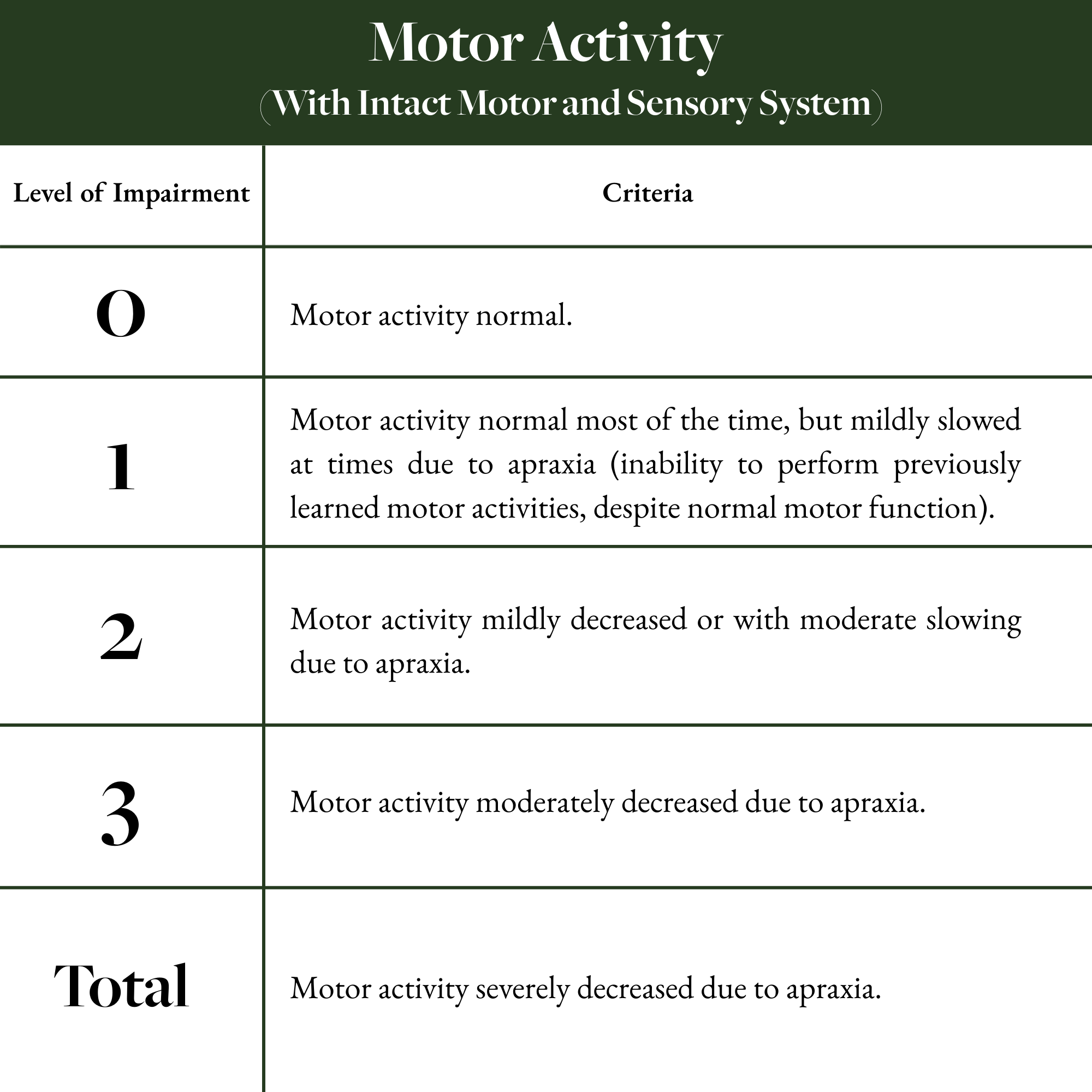
Motor Activity
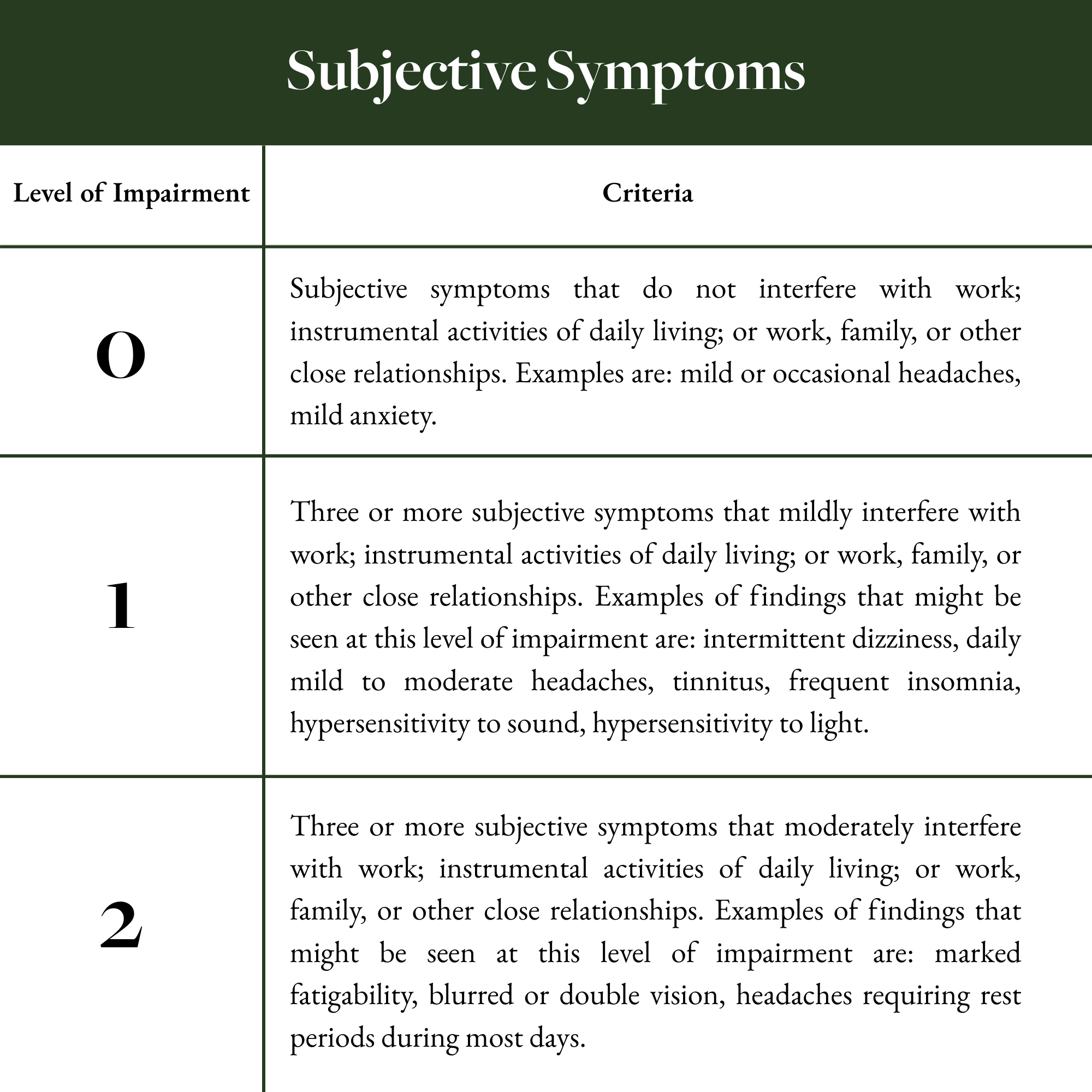
Subjective Symptoms
Communication
Judgement
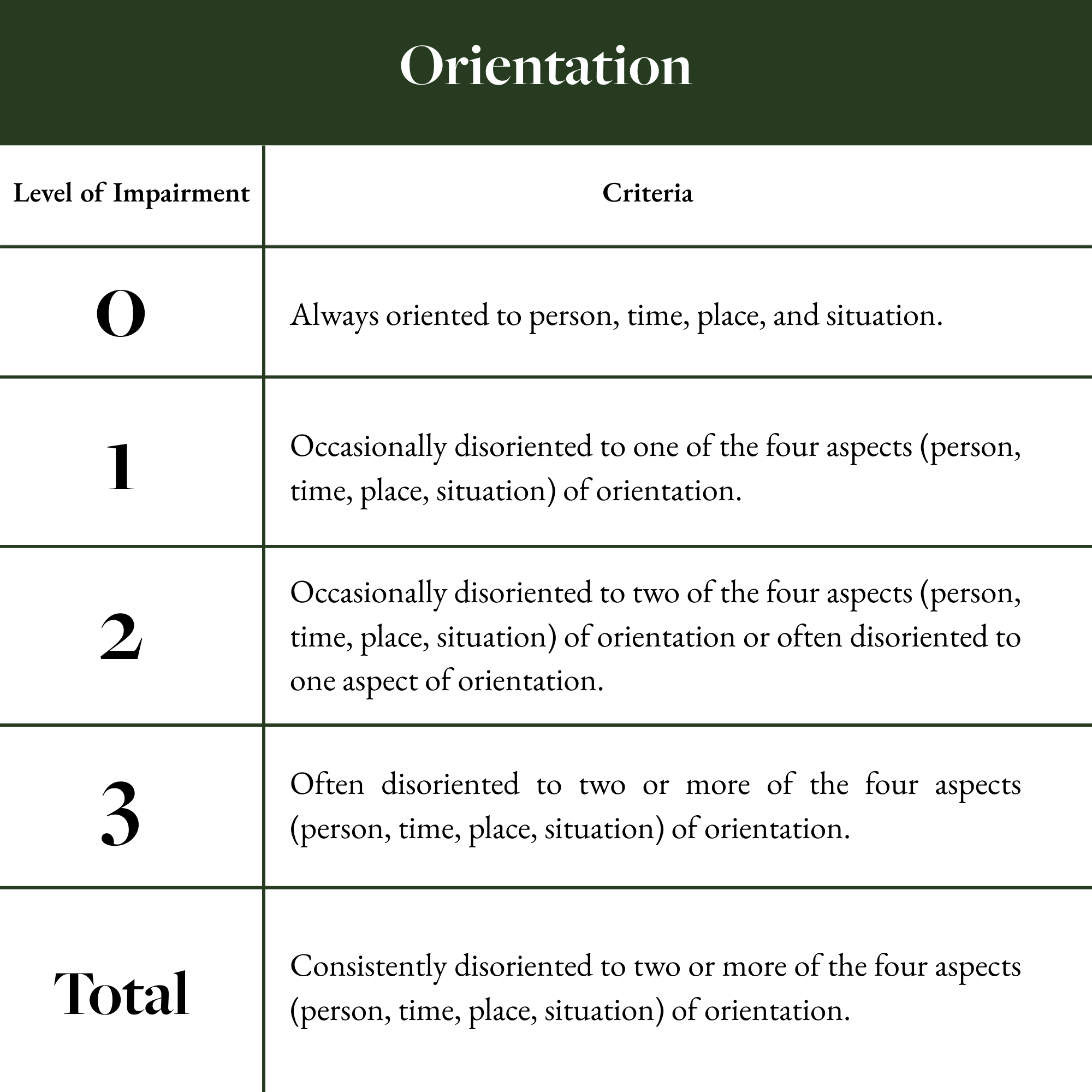
Orientation
Visual Spatial Orientation
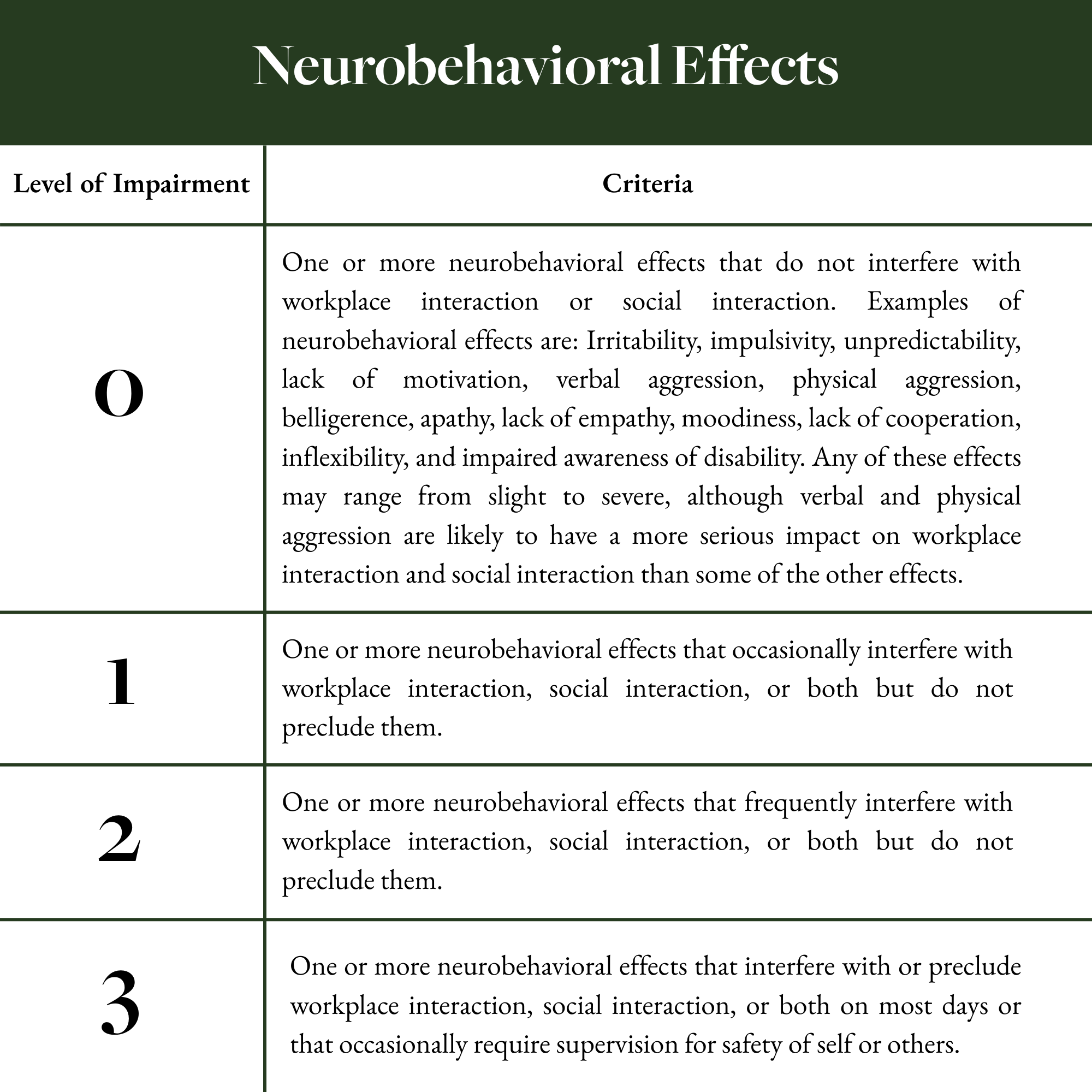
Neurobehavioral Effects
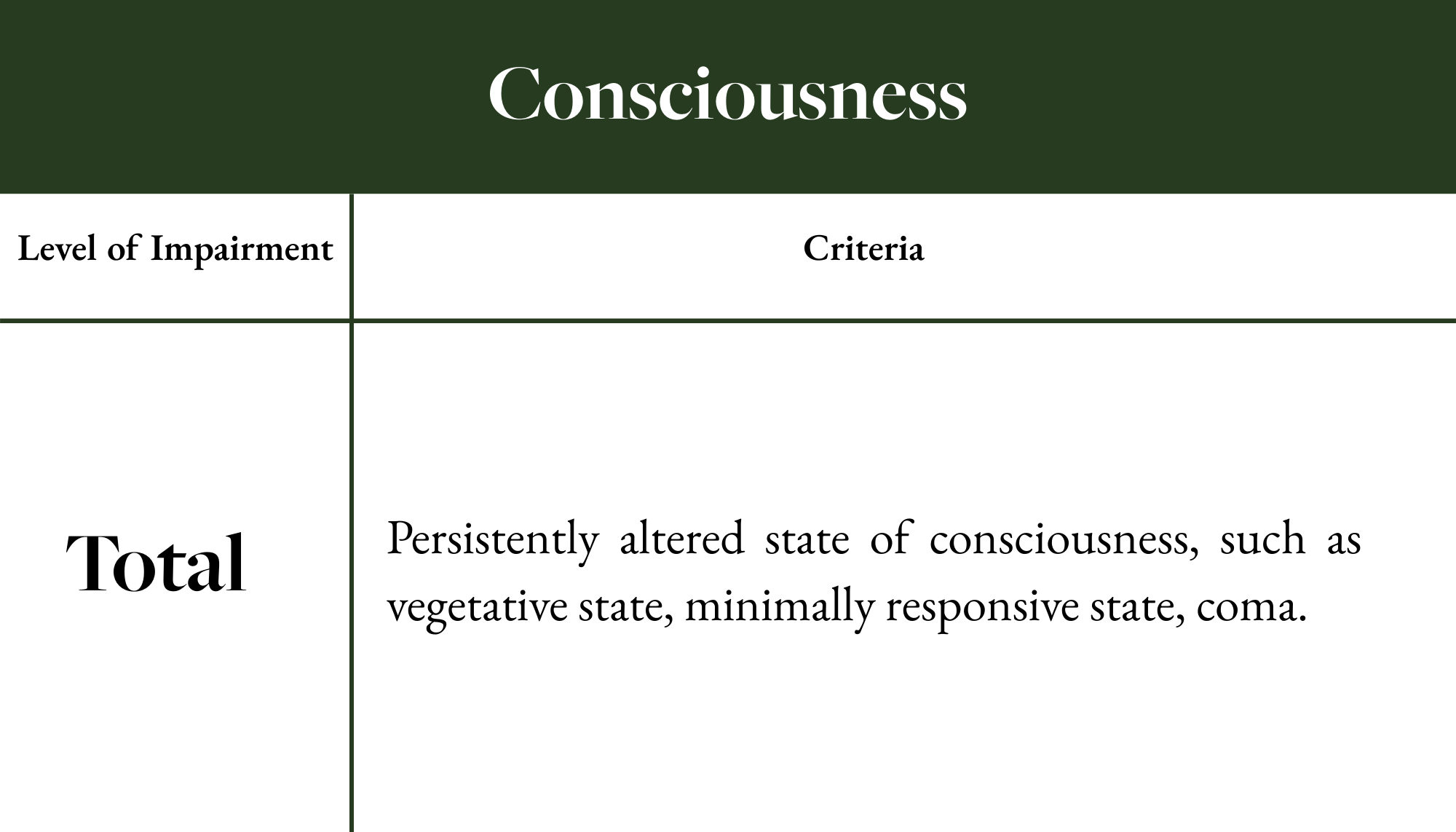
Consciousness
Once each TBI facet is assigned a severity level, VA converts the highest level into the overall schedular evaluation. Levels 0, 1, 2, and 3 correspond to 0, 10, 40, and 70 percent ratings, respectively, reflecting increasing degrees of functional impairment. A designation of “Total” is reserved for complete impairment within a facet—such as inability to communicate or persistent altered consciousness—and results in an automatic 100 percent evaluation. Because VA assigns the rating based on the single highest facet level rather than combining scores, the final percentage represents the maximum level of functional limitation caused by the Veteran’s TBI residuals.
The most common forms of evidence used by VA to rate TBI residuals include:
Additional subjective symptoms or any mental, physical, or neurological conditions/residuals attributable to the TBI. Further C&P exams may be completed for any additional conditions/residuals identified during examination.
Scars related to the TBI
Neuropsychological testing and/or imaging studies of record
Impact of the TBI residuals on a veteran’s ability to work
VA examiners review each of the 10 facets listed above, and must rate each one based on the Veteran’s reported functional status. VA examiners also review:
C&P Exams

Examiners complete a Disability Benefits Questionnaire (DBQ) to document these findings.
A statement from a veteran detailing the symptoms they regularly experience, and the impact on their daily functioning, could also help to ensure TBI residuals are properly rated. Statements from friends and family who observe the veteran’s symptoms, or assist them with daily activities due to limitations from TBI residuals, are also important.
Lay Evidence
Private medical records or opinions that speak directly to the impairment of cognitive, emotional/behavioral, and physical functioning caused by a veteran’s TBI may also be helpful evidence. When rating TBI residuals, VA may look to private records from a physiatrist, psychiatrist, neurosurgeon, or neurologist.
Private Medical Records
Multiple TBI Ratings
Many TBI residual conditions result in overlapping symptoms. VA regulation provides that if the symptoms of two or more residuals cannot be clearly separated, a single evaluation must be assigned. However, if symptoms of residual conditions can be clearly separated, then a separate evaluation for each condition should be assigned.
TBIs and TDIU
TBI residuals may prevent substantially gainful employment due to the potential for severe physical and mental limitations. Accordingly, many veterans who cannot work as a result of their TBI may also qualify for VA’s unemployability benefit (TDIU). Generally speaking, veterans with a single 60-percent rating, or 70-percent combined rating with one disability rated at least 40-percent, may qualify for TDIU.
Special Monthly Compensation (SMC)
Severe TBIs and related residuals may trigger entitlement to SMC, including:
Housebound benefits when TBI is rated at 100-percent and additional disabilities are independently rated at 60-percent
SMC-L due to need for regular Aid & Attendance
SMC R-1, SMC R-2, or SMC-T due to a specific higher need for Aid & Attendance
How to Appeal or Increase a VA TBI Rating
Veterans may want to appeal or request an increase if:
VA underrated TBI and the resulting residuals
Symptoms worsened over time
Separate conditions warranting separate evaluations were not properly rated
VA failed to consider TDIU or SMC entitlement
Appeals can be filed through:
Higher-Level Review
Supplemental Claim with new and relevant evidence
Board Appeal
Denied or Underrated for TBI? Call Greene & Marusak LLC
TBI claims are medically and legally complex. If VA denied or underrated your TBI disability, Greene and Marusak LLC can help identify rating errors, develop evidence, and pursue the benefits you deserve.
Contact us for a free case evaluation today to speak with an experienced VA-accredited claims agent or attorney!