

VA Rating Criteria for Sleep Apnea Explained
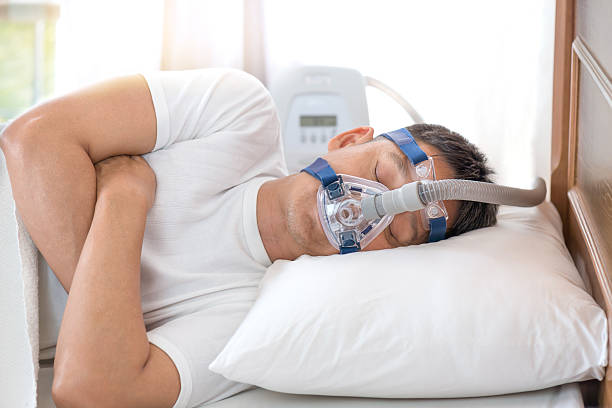
When VA grants service connection for sleep apnea, it assigns a disability rating based on the severity of symptoms, treatment requirements (such as the use of a CPAP), and the condition’s overall impact on daily functioning. These ratings determine a veteran’s monthly compensation and eligibility for additional benefits. Because sleep apnea can worsen over time and lead to additional health problems, it is critical that a veteran’s claim or appeal fully documents both the sleep apnea itself and any secondary conditions it causes.
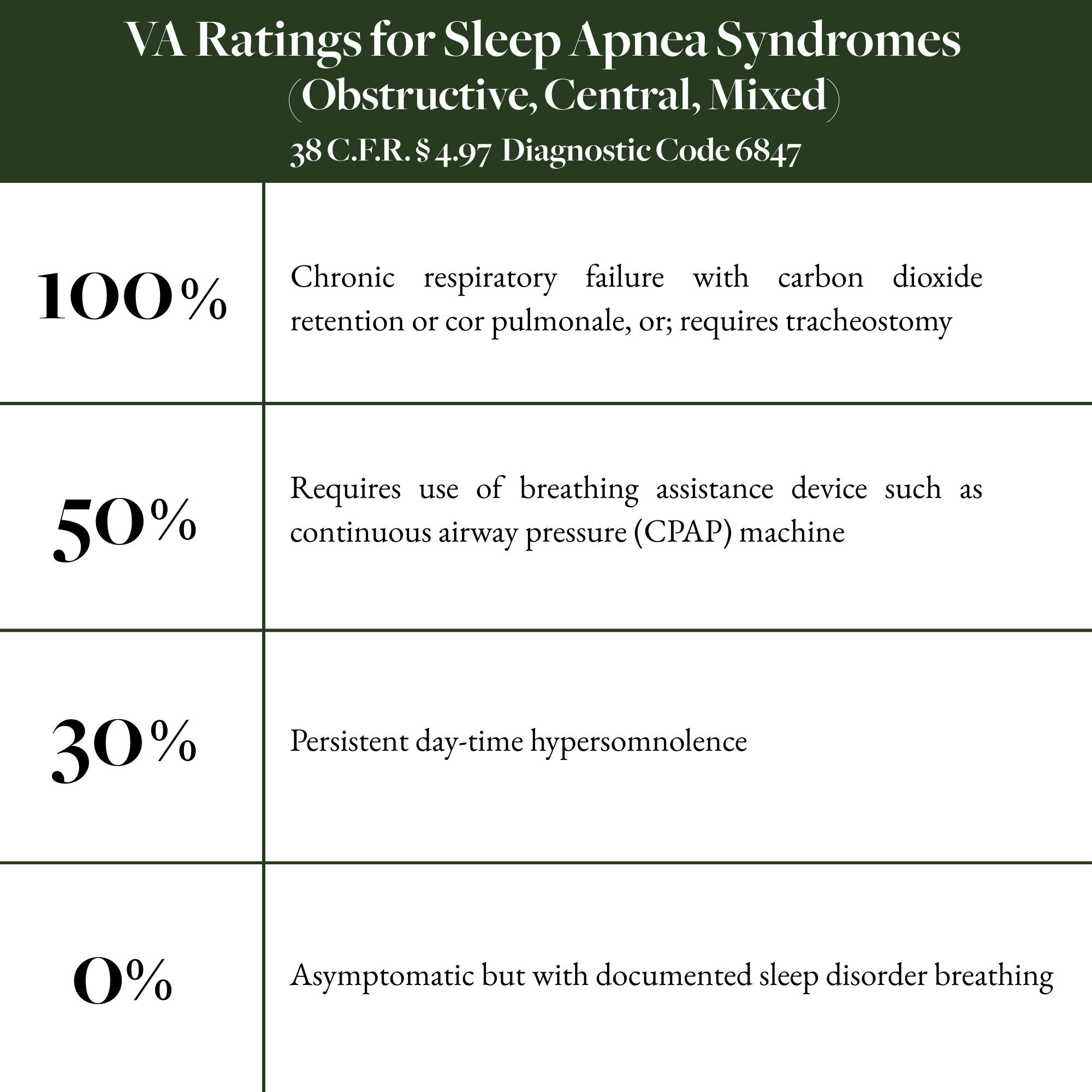
VA rates sleep apnea under 38 C.F.R. § 4.97, Diagnostic Code 6847, based primarily on the severity of symptoms and the type of treatment required, such as the use of a CPAP or other breathing assistance device. Ratings commonly fall at 0, 30, 50, or 100 percent.
Complications and residual conditions associated with sleep apnea—such as hypertension, heart conditions, stroke risk, cognitive impairment, or daytime hypersomnolence—may be rated separately if they are independently compensable and service connected (often on a secondary basis).
Veterans with severe sleep apnea or significant functional impairment from related conditions may qualify for Total Disability Based on Individual Unemployability (TDIU) or, in rare cases, Special Monthly Compensation (SMC) when additional statutory criteria are met.
Bottom Line Up Front:
How Does VA Assign Ratings for Sleep Apnea?
VA evaluates sleep apnea based on the severity of the condition and the treatment required. Unlike many other conditions, a diagnosis alone does not determine the rating. Instead, VA focuses on whether the condition causes daytime symptoms, requires breathing assistance such as a CPAP, or has progressed to serious respiratory or cardiac complications that affect daily functioning.
The most common evidence sources include:
Whether sleep apnea has been formally diagnosed, usually by a sleep study
The type of sleep apnea (obstructive, central, or mixed)
Whether treatment is required, including a CPAP or other breathing assistance device
Presence of persistent daytime hypersomnolence (excessive daytime sleepiness)
Whether sleep apnea has caused or contributed to serious complications, such as respiratory failure, heart conditions, or the need for a tracheostomy
Functional impact on work performance, alertness, concentration, and daily activities
C&P Exams and Medical Records
VA examiners review:
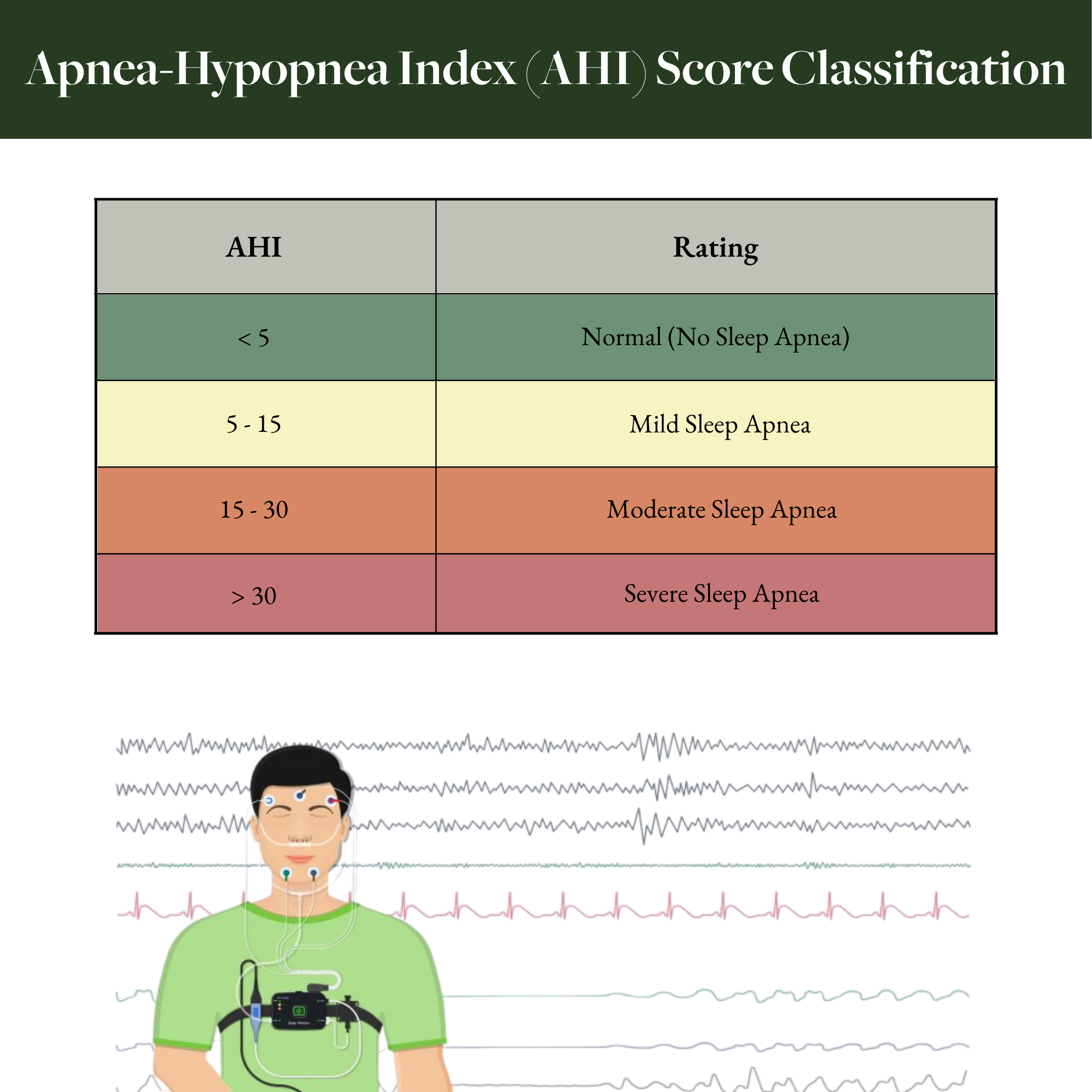
VA examiners complete a Disability Benefits Questionnaire (DBQ) to document these factors.
Loud snoring, gasping, or choking during sleep
Observed breathing pauses or episodes of stopped breathing at night
Severe daytime fatigue or falling asleep unintentionally
Difficulty concentrating, memory problems, or irritability
Problems staying awake at work or while driving
How sleep apnea affects employment, safety, and daily routines
Lay statements are often critical in sleep apnea claims. Veterans and witnesses may describe:
Lay Evidence
While medical evidence establishes diagnosis and treatment, lay evidence helps show real-world functional impairment that may not be fully captured in medical records.
Private sleep specialists, pulmonologists, cardiologists, and primary care physicians often document issues VA overlooks. Records may include:
Private Medical Records
Sleep study results confirming obstructive sleep apnea
CPAP prescriptions and ongoing treatment
Poor tolerance or continued symptoms despite CPAP use
Development of secondary conditions such as hypertension or heart disease
Medical opinions linking sleep apnea to service or to other service-connected conditions (such as PTSD, sinus conditions, or weight gain)
Private nexus opinions can be especially powerful when VA disputes service connection or secondary relationships.
How VA Rates Sleep Apnea (38 C.F.R. § 4.97)
VA uses diagnostic code 6847
Cor pulmonale (heart condition caused by lung disease)
A 100 percent rating is warranted when sleep apnea results in:
100 Percent Rating for Sleep Apnea
OR
Requirement for a tracheostomy
Chronic respiratory failure with carbon dioxide retention
OR
This level reflects life-threatening sleep apnea with severe respiratory or cardiac complications that profoundly interfere with daily functioning and employment.
A 50 percent rating is assigned when sleep apnea:
50 Percent Rating for Sleep Apnea
Requires use of a CPAP or other breathing assistance device
This is the most common rating for service-connected sleep apnea and is based on the medical necessity of nightly mechanical assistance, not on perfect compliance or symptom resolution.
A 30 percent rating is warranted when sleep apnea causes:
30 Percent Rating for Sleep Apnea
Persistent daytime hypersomnolence
This applies when excessive sleepiness significantly affects alertness, safety, or daily functioning, even if a CPAP is not prescribed.
A zero percent rating may be assigned when sleep apnea is diagnosed but:
Ø (zero) Percent (“Non-Compensable”) Rating for Sleep Apnea
Does not require a CPAP or other breathing assistance
Does not cause persistent daytime hypersomnolence
Does not currently impair occupational or daily functioning
Even a non-compensable rating is important because it establishes service connection and allows for future increased ratings if the condition worsens or treatment becomes necessary.
Separately Ratable Conditions from Sleep Apnea
VA must evaluate and separately rate all compensable conditions caused or aggravated by sleep apnea, when supported by medical evidence, including:
(1) Cardiovascular Conditions
Often rated separately under the appropriate cardiovascular diagnostic codes.
May include hypertension, heart disease, arrhythmias, cor pulmonale, or stroke residuals
Sleep apnea is a well-recognized risk factor for cardiovascular impairment, but VA frequently overlooks the secondary relationship
(2) Respiratory Complications
Rated under pulmonary or respiratory criteria when severe.
May include chronic respiratory failure, reduced oxygen levels, or other pulmonary impairments
Severe respiratory complications may also support a 100 percent sleep apnea rating
(3) Cognitive and Neuropsychiatric Impairments
Rated separately when diagnosable and compensable.
Symptoms may include memory problems, impaired concentration, slowed thinking, or mood changes
These impairments are often documented in neuropsychological testing or mental health records
(4) Mental Health Conditions Secondary to Sleep Apnea
Rated under the mental health rating schedule if service connected.
Depression, anxiety, or worsening PTSD symptoms may be caused or aggravated by chronic sleep deprivation
VA often fails to consider aggravation when sleep apnea worsens an existing mental health condition
(5) Erectile Dysfunction and Hormonal Effects
Typically rated as non-compensable but may qualify for SMC.
Erectile dysfunction may be linked to oxygen deprivation and hormonal disruption from sleep apnea
If service connected, VA compensates this condition through Special Monthly Compensation (SMC) for loss of use of a creative organ
Sleep Apnea, TDIU, and SMC
Severe daytime hypersomnolence
Falling asleep at work or while performing tasks
Impaired concentration, judgment, and memory
Safety concerns in driving or operating machinery
Combined effects of sleep apnea and secondary conditions (cardiac, cognitive, or mental health)
Sleep apnea and its residuals may prevent substantially gainful employment due to:
Sleep Apnea and TDIU
Veterans with:
A single 60 percent rating, or a 70 percent combined rating with one disability at least 40 percent, may qualify for Total Disability Based on Individual Unemployability (TDIU).
SMC for erectile dysfunction
Housebound benefits when a veteran has one service-connected disability rated totally disabling and sleep apnea, alone or in combination with other separate disabilities, is independently rated at a combined 60 percent or more
Higher levels of SMC when the combined effects of service-connected disabilities result in the need for regular aid and attendance, loss of use, and/or an advanced level of care.
Severe sleep apnea or related residuals may trigger entitlement to SMC, including:
Special Monthly Compensation (SMC)
How to Appeal or Increase a VA Sleep Apnea Rating
Veterans may want to appeal or request an increase if:
VA assigned a rating lower than warranted
VA denied a 50 percent rating despite a CPAP prescription
Secondary conditions were not separately rated
Symptoms worsened over time
VA failed to recognize sleep apnea as secondary to another service-connected condition
Appeals can be filed through:
Higher-Level Review
Supplemental Claim with new and relevant evidence
Board Appeal
Because sleep apnea claims often involve medical complexity, secondary conditions, and rating misapplication, experienced representation can make a meaningful difference.
Denied or Underrated for Sleep Apnea? Call Greene & Marusak LLC
Sleep Apnea claims are medically and legally complex. If VA denied or underrated your sleep apnea disability, Greene & Marusak LLC can help identify rating errors, develop evidence, and pursue the benefits you deserve.
Contact us for a free case evaluation today to speak with an experienced VA-accredited claims agent or attorney!