

The PACT Act Explained
The Sergeant First Class Heath Robinson Honoring Our Promise to Address Comprehensive Toxics (PACT) Act is a landmark law that significantly expanded VA benefits for veterans exposed to toxic substances during service. Signed into law on August 10, 2022, the PACT Act affects veterans of the Vietnam, Gulf War, and post-9/11 eras by expanding presumptions, eligibility, and access to care.
Because toxic exposure claims often involve complex medical and legal issues—particularly proving exposure and nexus—the PACT Act plays a critical role in simplifying entitlement for many veterans.
The PACT Act added numerous presumptive conditions for burn pits, Agent Orange, and other toxic exposures.
Veterans who meet service requirements for presumptive exposure do not need to prove a medical nexus.
Important to Know: VA must now provide toxic exposure screenings to veterans enrolled in VA healthcare.
Bottom Line Up Front:
Adding more than 20 presumptive conditions related to toxic exposures
Expanding recognized exposure locations for Agent Orange and radiation
Extending VA healthcare eligibility for veterans exposed to toxins
Improving research, staff training, and treatment related to toxic exposure
The PACT Act is a federal law that expands VA benefits by:
What is the PACT Act?
One of the most important aspects of the PACT Act is the expansion of presumptive service connection.
A current disability
An in-service event or exposure
A medical nexus linking the condition to service
To establish service connection, veterans generally must show:
What Is a Presumptive Condition for Toxic Exposure?
This is called direct service connection. However, for presumptive conditions, VA automatically presumes the condition is related to service if the veteran meets specific service requirements. This is called presumptive service connection.
The veteran does not need to prove a medical nexus
The focus shifts to proving qualifying service and diagnosis
This means:
Who Qualifies Under the PACT Act?
Afghanistan
Djibouti
Egypt
Jordan
Lebanon
Syria
Uzbekistan
Yemen
The airspace above these locations
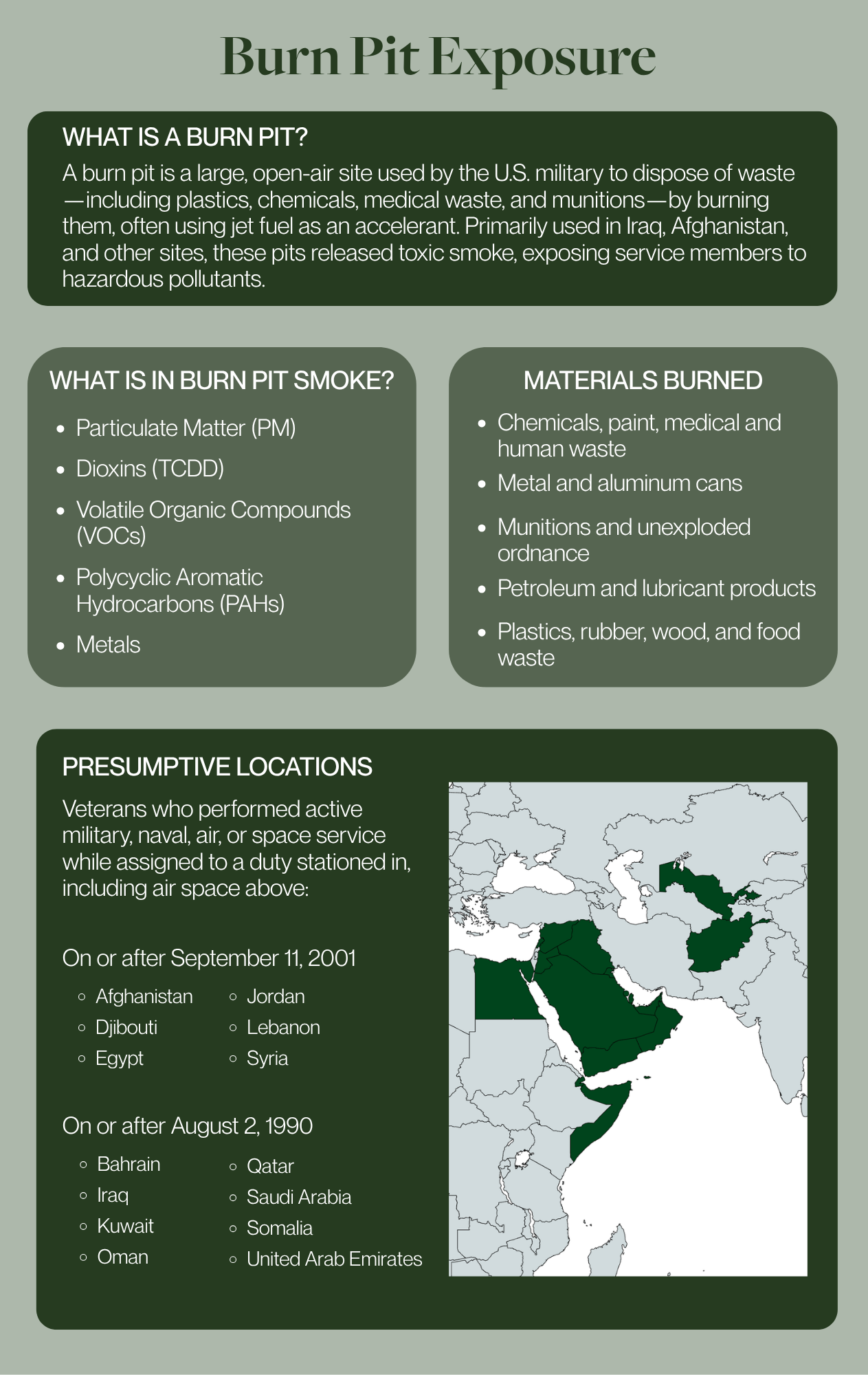
Veterans may qualify for presumptive exposure if they served:
Gulf War and Post-9/11 Veterans (From Exposure to Burn Pits and Other Hazards)
On or after September 11, 2001, in:
Bahrain
Iraq
Kuwait
Oman
Qatar
Saudi Arabia
Somalia
The United Arab Emirates (UAE)
The airspace above these locations
On or after August 2, 1990, in:
In the Republic of Vietnam
On inland waterways or within 12 nautical miles of Vietnam
Vietnam Era Veterans (to include Agent Orange Exposure)
Veterans may qualify if they served:
The PACT Act also expanded qualifying locations to include:
Thailand (certain bases)
Laos
Cambodia (specific regions)
Guam and American Samoa
Johnston Atoll
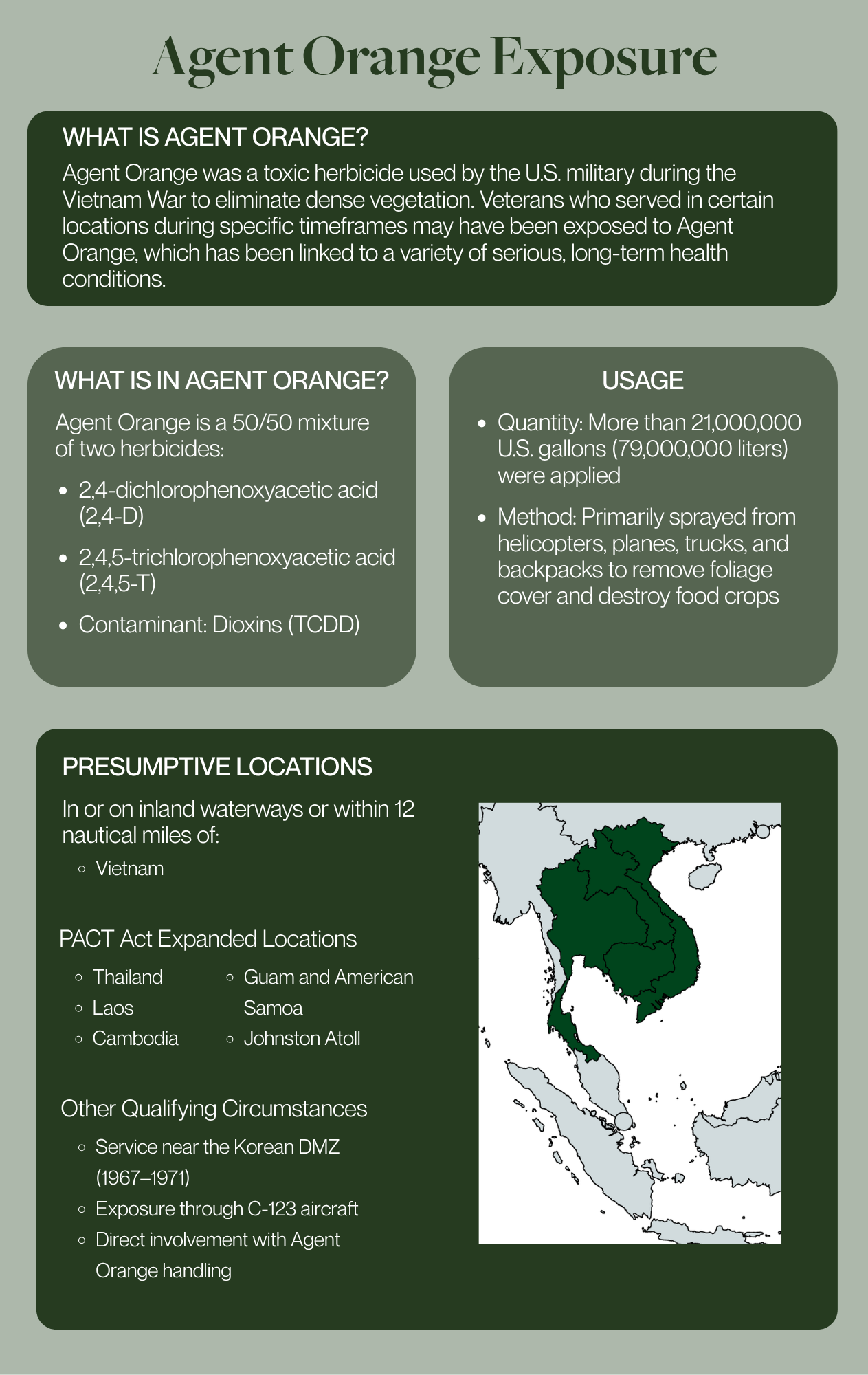
Service near the Korean DMZ (1967–1971)
Exposure through C-123 aircraft
Direct involvement with Agent Orange handling
Additional qualifying circumstances include:
What Conditions Are Presumptive Under the PACT Act?
Gulf War and Post-9/11 Presumptive Conditions
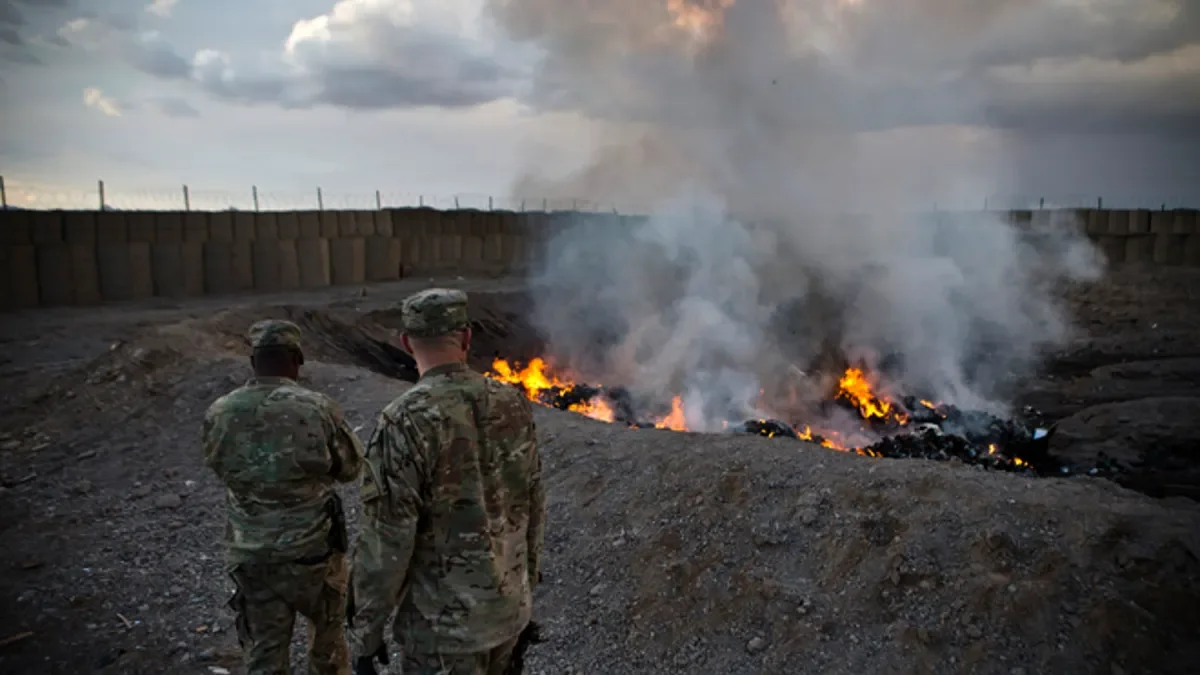
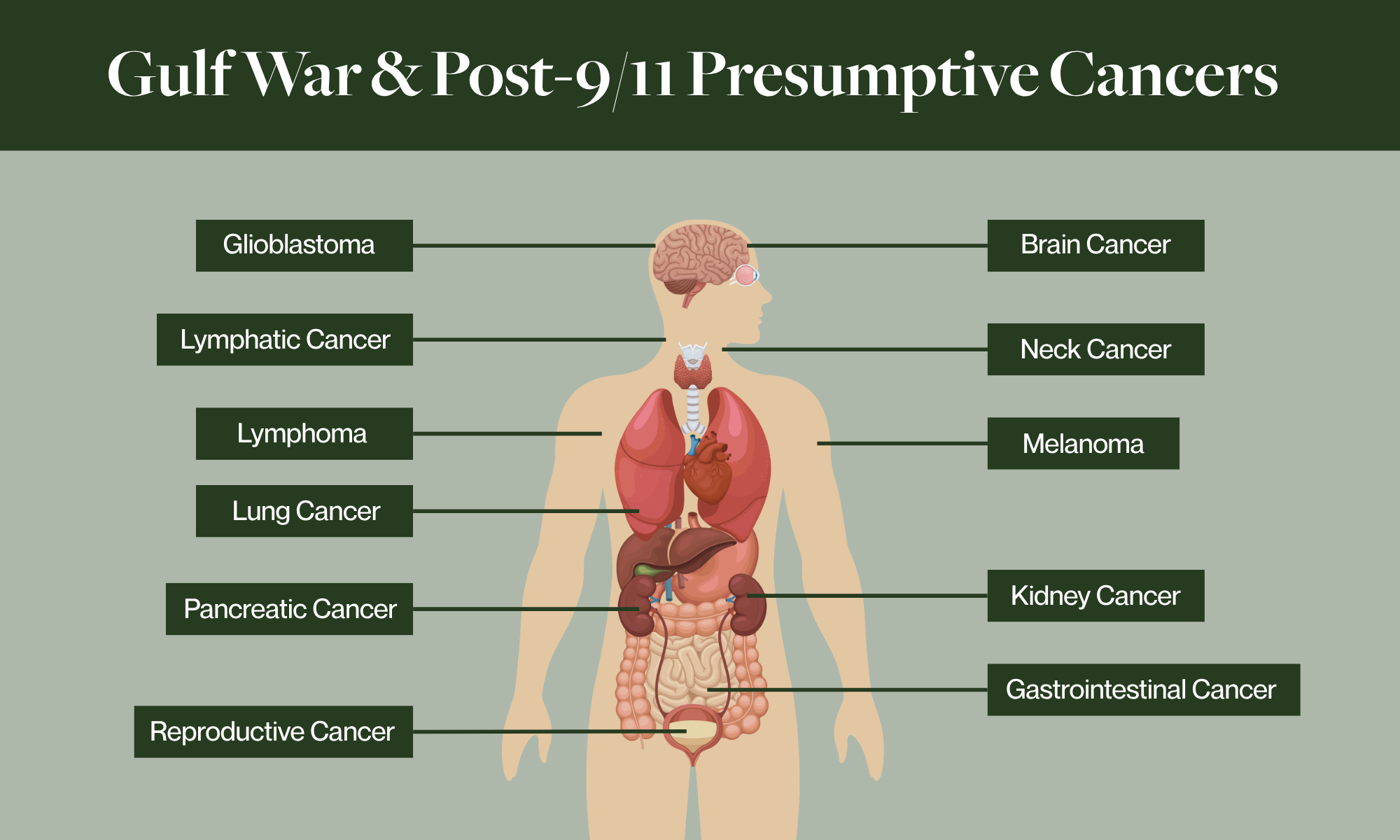
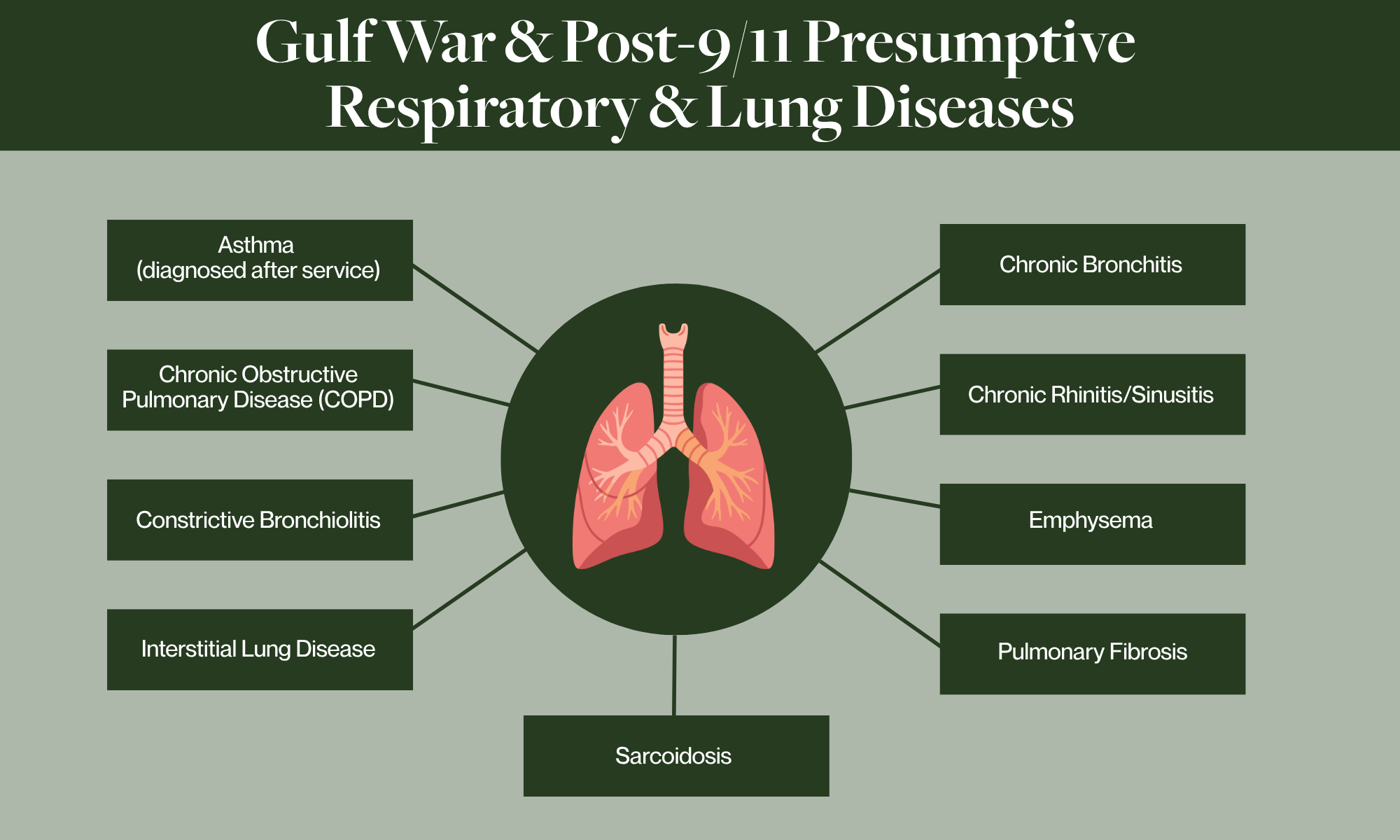
Under the PACT Act, VA presumes certain conditions are caused by exposure to burn pits and other airborne hazards for veterans who served in qualifying locations during the Gulf War and post-9/11 eras.
These presumptions apply only if the veteran meets the applicable service requirements described above.
Brain cancer
Gastrointestinal cancers
Glioblastoma
Head cancer
Neck cancer
Kidney cancer
Pancreatic cancer
Reproductive cancers
Melanoma
Lymphoma
Respiratory cancers
Cancers include:
Asthma (diagnosed after service)
Chronic bronchitis
COPD
Chronic rhinitis and sinusitis
Constrictive bronchiolitis
Emphysema
Interstitial lung disease
Pulmonary fibrosis
Sarcoidosis
Respiratory and related conditions include:
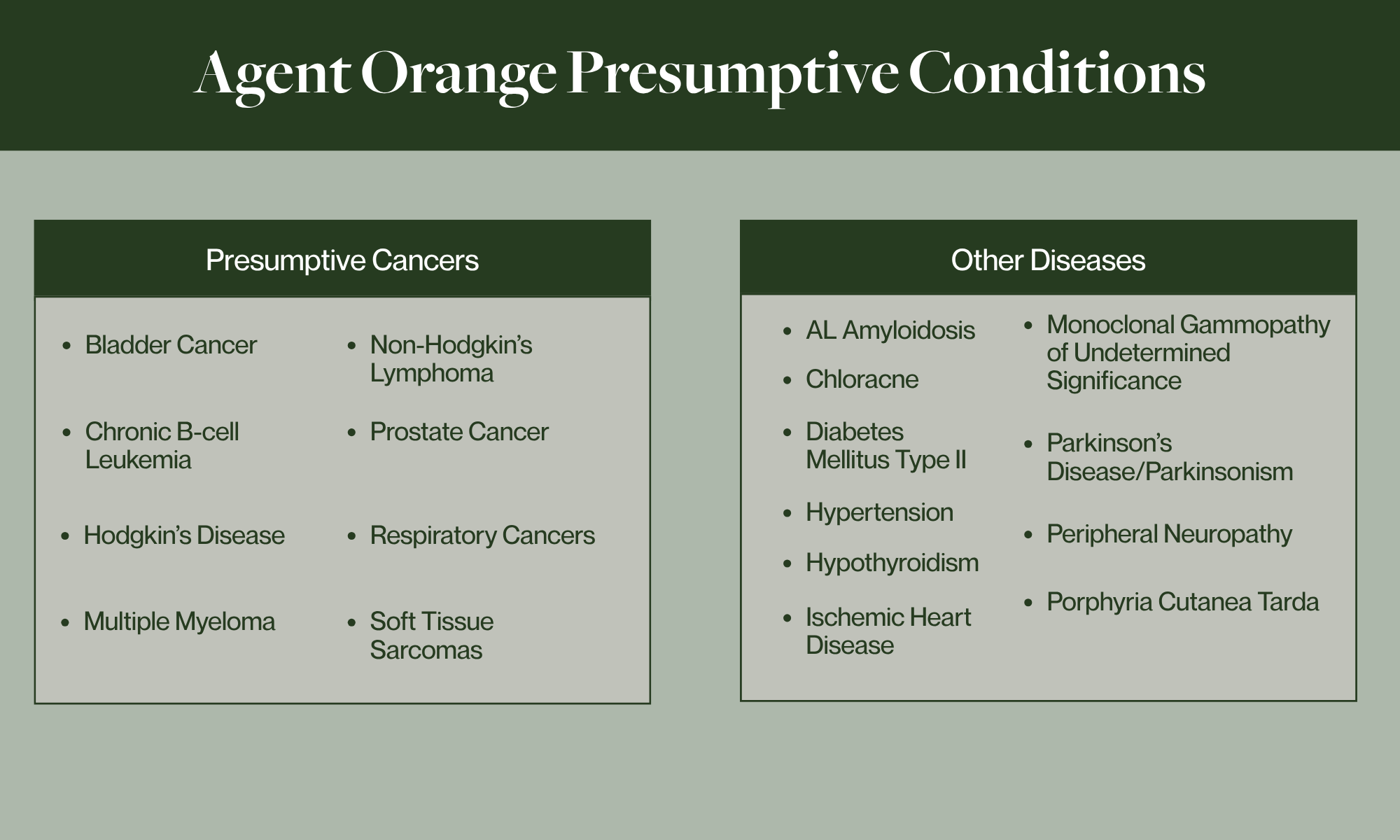
Under the PACT Act and existing VA law, certain conditions are presumed to be caused by exposure to Agent Orange and other herbicides for veterans who served in qualifying locations during the Vietnam era.
These presumptions apply only if the veteran meets the applicable service requirements described above.
Agent Orange Presumptive Conditions (Vietnam Era Veterans)
Bladder cancer
Chronic B-cell leukemia
Hodgkin’s disease
Multiple myeloma
Non-Hodgkin’s lymphoma
Prostate cancer
Respiratory cancers (including lung cancer)
Some soft tissue sarcomas (excluding osteosarcoma, chondrosarcoma, Kaposi’s sarcoma, and mesothelioma)
AL amyloidosis
Chloracne (or similar acneform disease)
Diabetes mellitus type II
Hypothyroidism
Ischemic heart disease
Parkinson’s disease and Parkinsonism
Peripheral neuropathy (early onset)
Porphyria cutanea tarda
Hypertension (high blood pressure) (added by the PACT Act)
Monoclonal gammopathy of undetermined significance (MGUS) (added by the PACT Act)
Evidence That Matters in PACT Act Claims
Although presumptions reduce the burden of proof, strong evidence is still critical.
DD-214 and personnel records showing qualifying service locations and dates
Unit records or deployment history
Service Evidence
Medical Evidence
Current diagnosis of a presumptive condition
VA or private treatment records
Medical opinions (in complex or borderline cases)
Statements describing exposure circumstances
Symptom onset and progression
Functional impact of the condition
Lay Evidence
How to Appeal a Denied PACT Act Claim
Supplemental Claim (with new and relevant evidence)
Higher-Level Review
Board of Veterans’ Appeals
If VA denies a claim related to toxic exposure or presumptive conditions, veterans may appeal through:
Looking for More Information?
Check out our YouTube video where VA-Accredited Attorneys and Partners Jon Greene and Dan Marusak discuss the significance of the PACT Act for veterans.
Denied Benefits Under the PACT Act or Unsure If You Qualify? Call Greene & Marusak LLC
Toxic exposure claims are among the most complex areas of VA law. Veterans often face denials that overlook critical evidence or misapply the law.
If VA denied your PACT Act-related claim—or you are unsure whether you qualify—Greene & Marusak LLC can review your case and explain your options.
Contact us for a free case evaluation today to speak with an experienced VA-accredited claims agent or attorney.