

VA Rating Criteria for Hypertension Explained

Hypertension (chronically elevated blood pressure) is a common condition among veterans. When VA grants service connection for hypertension or isolated systolic hypertension, it assigns a disability rating based on severity measured through blood pressure readings and medication use. These ratings determine a veteran’s monthly compensation and additional benefits. For many veterans, hypertension develops quietly and may not cause obvious symptoms, but over time, if unmanaged, it can lead to serious health issues such as heart disease, stroke, or kidney problems. Because hypertension symptoms often fluctuate or worsen over time, it is essential that a veteran’s claim or appeal clearly documents the full extent of their symptoms.
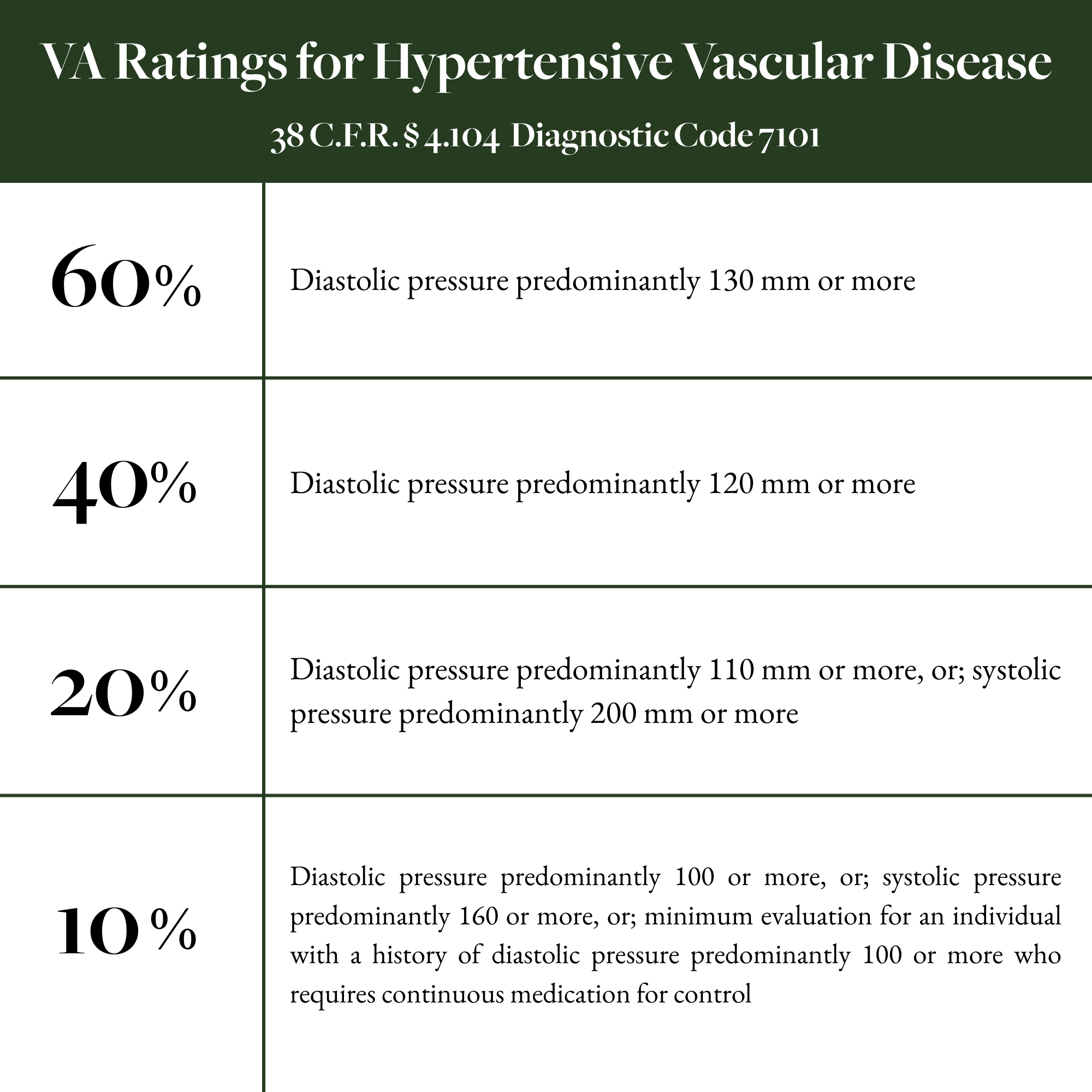
VA rates hypertension conditions under 38 C.F.R. § 4.104, Diagnostic Code 7101 (hypertension and isolated systolic hypertension) using blood pressure readings taken two or more times on at least three different days and medication use. Ratings commonly fall at 10, 20, 40, or 60 percent, depending on severity.
A veteran’s C&P exam, blood pressure readings, treatment notes, and lay statements are all critical forms of evidence when seeking higher ratings for hypertension.
Bottom Line Up Front:
How Does VA Assign Ratings for Hypertension?
VA evaluates hypertension disabilities using a combination of objective medical testing and documented symptoms.
The most common evidence sources include:
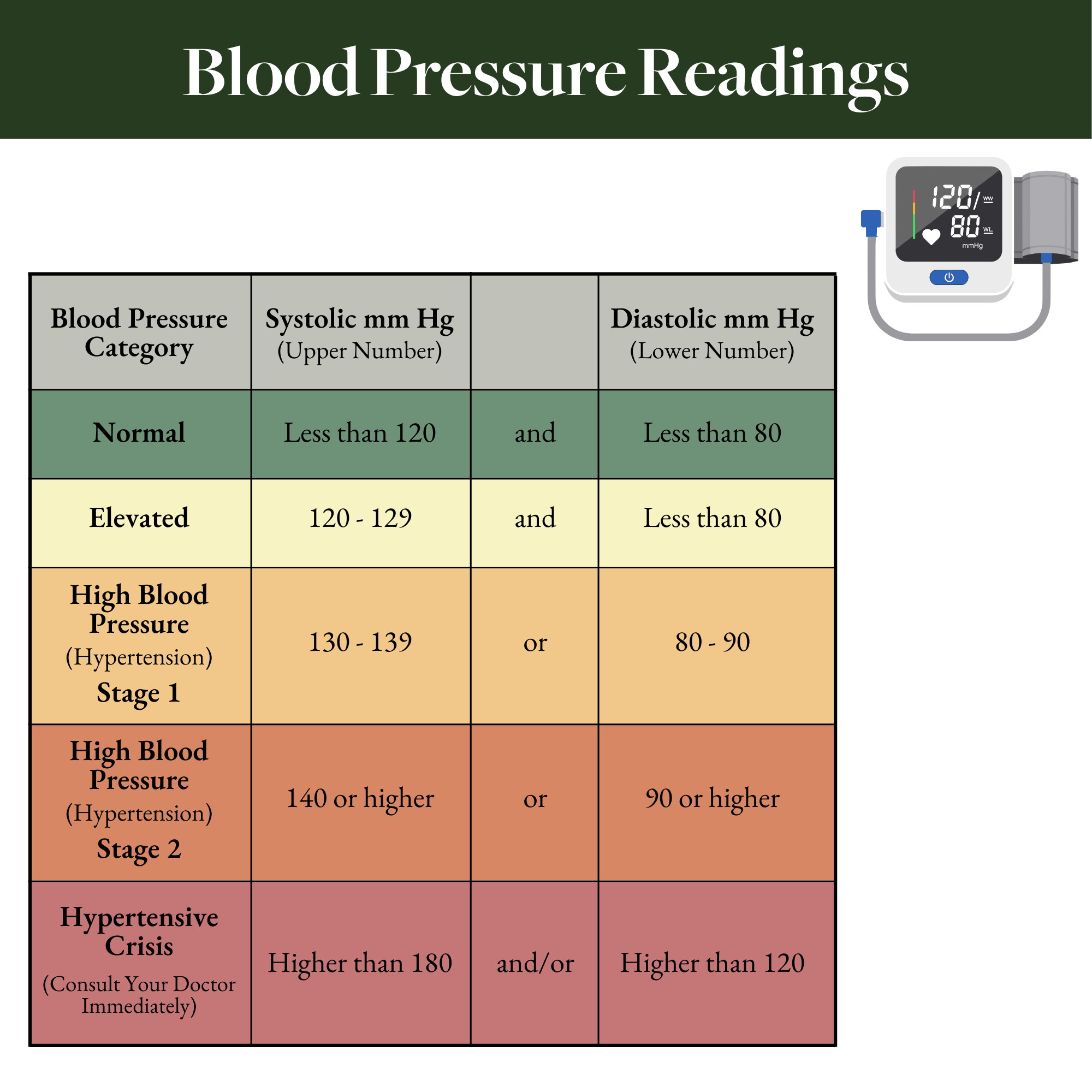
Blood pressure logs
Use and frequency of medication to control blood pressure
Frequency of hypertensive symptoms requiring physician visits
Missed work, ER visits, or hospitalizations
For hypertension, the C&P examiner often conducts or references:
C&P Exams and Blood Pressure Readings
VA examiners complete a Hypertension Disability Benefits Questionnaire (DBQ) to standardize the evaluation.
Lay statements can be extremely useful in hypertension claims. Veterans and witnesses can describe:
Lay Evidence
How often hypertension (meaning the diastolic blood pressure is predominantly 90 mm or greater) occurs.
Whether the veteran experiences hypertensive symptoms, including but not limited to headaches, shortness of breath, nosebleeds, dizziness, chest pain, and/or vision changes.
A veteran may also want to include a blood pressure log to support their claim or appeal.
Hypertension symptoms fluctuate, and blood pressure readings taken on a “good day” do not necessarily reflect a veteran’s usual functioning. Lay testimony helps bridge that gap.
Primary Care Providers or other specialists (such as cardiologists, nephrologists, and endocrinologists) frequently have longitudinal records that VA examiners do not. These may include:
Private Medical Records
Repeated blood pressure readings (averages, patterns, trajectories)
Medication history
Lifestyle factors
Diagnostic tests such as ECGs, echocardiograms, and ambulatory blood pressure monitoring (ABPM)
Lab results
Cardiovascular disease (CVD) event tracking
Providing complete private records can make or break a hypertension claim. Veterans may also obtain private nexus opinions to link hypertension to service, if it’s not already service connected.
How VA Rates Hypertension (38 C.F.R. § 4.104)
VA uses diagnostic code 7101 for hypertension.
A 60 percent rating is warranted when the veteran has:
60 Percent Rating for Hypertension
Diastolic pressure predominantly 130 mm or more
40 Percent Rating for Hypertension
Diastolic pressure predominantly 120 mm or more
A 40 percent disability rating is assigned for:
Diastolic pressure predominantly 110 mm or more; or
Systolic pressure predominantly 200 mm or more
A 20 percent disability rating is assigned for:
20 Percent Rating for Hypertension
Diastolic pressure predominantly 100 mm or more, or; systolic pressure predominantly 160 mm or more, or; minimum evaluation for an individual with a history of diastolic pressure predominantly 100 mm or more, who requires continuous medication for control.
A 10 percent rating is assigned for:
10 Percent Rating for Hypertension
How to Appeal or Increase a VA Hypertension Rating
Veterans may want to appeal or request an increase if:
VA denied service connection
VA underrated their hypertension
Blood pressure readings have worsened over time
They developed a secondary condition (e.g., peripheral artery disease (PAD), chronic kidney disease, coronary artery disease (CAD))
Appeals can be filed through:
Higher-Level Review
Supplemental Claim with new and relevant evidence
Board Appeal
Because hypertension ratings rely heavily on technical medical data, many veterans benefit from professional representation during appeals.
Denied or Underrated for VA Diabetes or Diabetic Complications? Call Greene & Marusak LLC
Hypertension claims are complex and often require detailed medical evidence, expert opinions, and strategic argument. If VA denied or underrated your hypertension condition, Greene & Marusak, LLC can help.
Contact us for a free case evaluation today to speak with an experienced VA-accredited claims agent or attorney!