


VA Rating Criteria for Diabetes & Diabetes Residuals Explained
When VA grants service connection for diabetes mellitus, it assigns a disability rating based on treatment requirements, regulation of activities, frequency of complications, and overall impact on daily functioning. These ratings determine a veteran’s monthly compensation and eligibility for additional benefits. Because diabetes often causes progressive complications over time, it is critical that a veteran’s claim or appeal fully documents both the diabetes itself and all secondary conditions it causes.
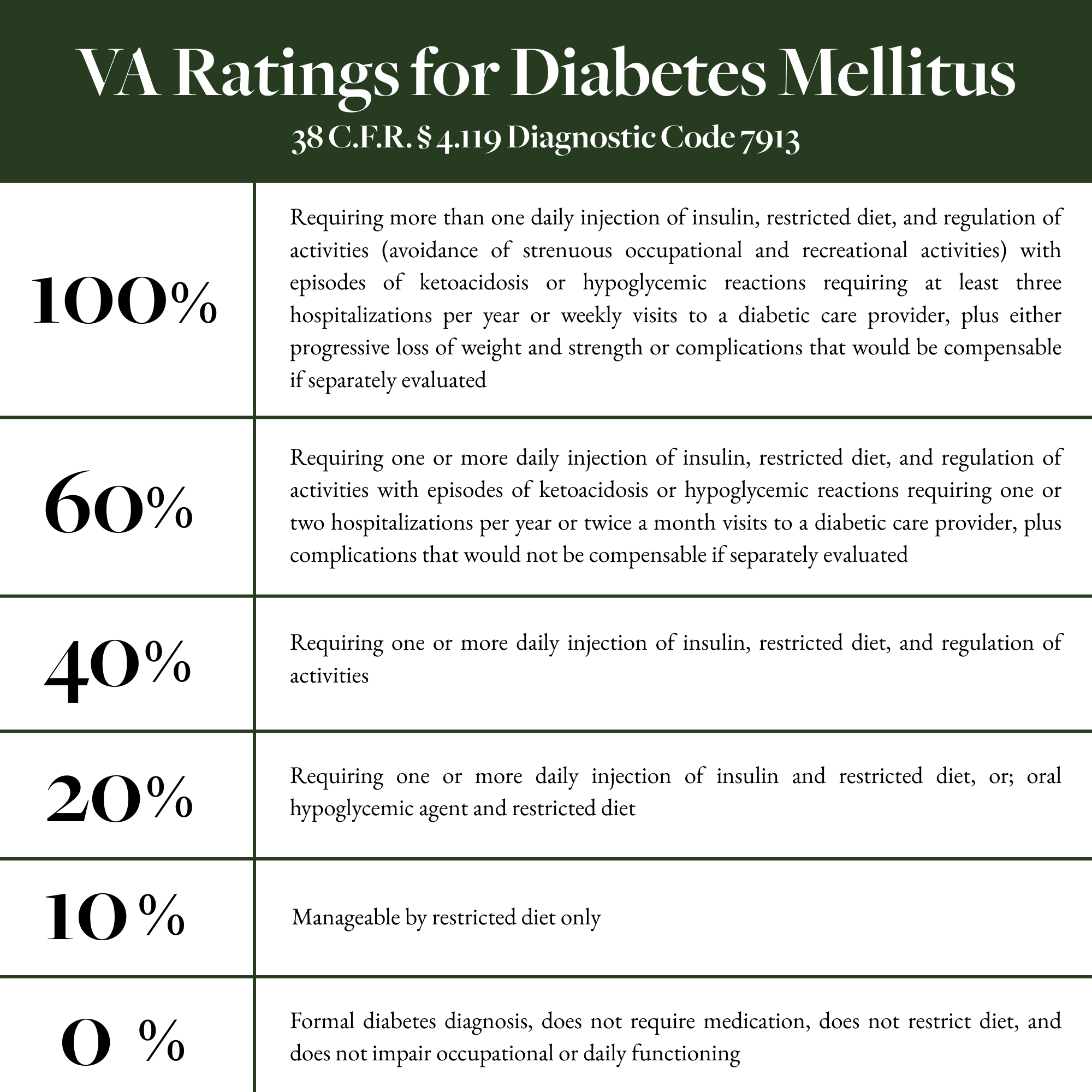
VA rates diabetes mellitus under 38 C.F.R. § 4.119 Diagnostic Code 7913 based primarily on medication type, dietary restrictions, and whether a physician has ordered regulation of activities. Ratings commonly fall at 10, 20, 40, 60, or 100 percent.
Complications of diabetes including peripheral neuropathy, diabetic nephropathy, retinopathy, erectile dysfunction, and cardiovascular conditions may be rated separately if they are compensable.
Veterans with poorly controlled diabetes or multiple residuals may qualify for Total Disability Based on Individual Unemployability (TDIU) or Special Monthly Compensation (SMC).
Bottom Line Up Front:
How Does VA Assign Ratings for Diabetes Mellitus?
VA evaluates diabetes using a combination of treatment requirements and medical consequences. Unlike many other conditions, lab values alone do not determine the rating. Instead, VA focuses on how diabetes is managed and how it affects daily life.
The most common evidence sources include:
Whether diabetes requires insulin, oral hypoglycemic agents, or diet alone
Whether a physician has prescribed regulation of activities, meaning avoidance of strenuous occupational or recreational activity
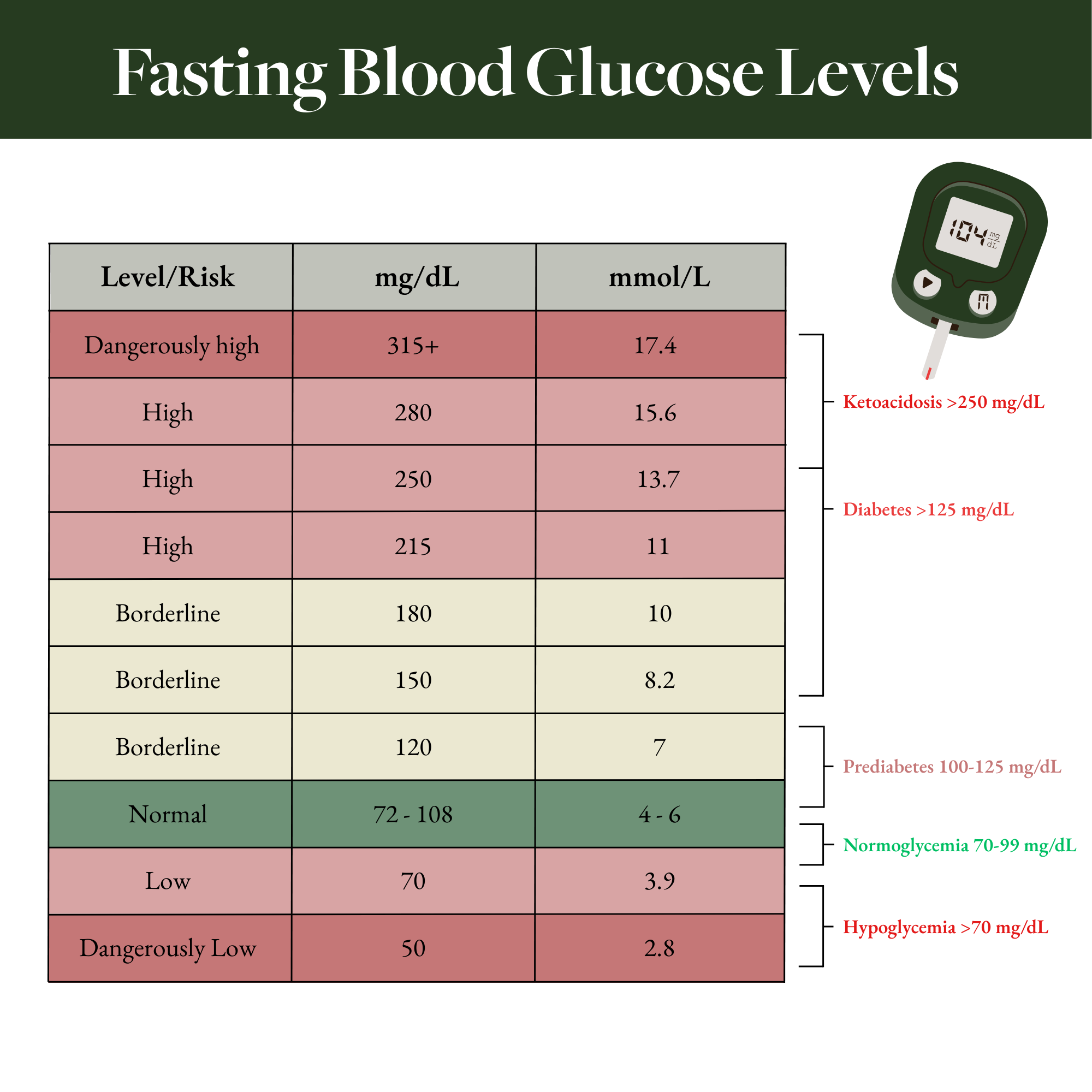
Frequency of episodes of ketoacidosis or hypoglycemic reactions
Hospitalizations or emergency treatment related to blood sugar instability
Presence of diabetic complications affecting other body systems
C&P Exams and Medical Records
VA examiners review:
VA examiners complete a Disability Benefits Questionnaire (DBQ) to document these factors.
Daily insulin injections or glucose monitoring
Hypoglycemic episodes causing dizziness, confusion, or fainting
Limitations on exercise, work tasks, or physical exertion
Fatigue or weakness related to blood sugar fluctuations
The impact diabetes has on employment and daily routines
Lay statements are often critical in diabetes claims. Veterans and witnesses may describe:
Lay Evidence
Regulation must be physician-directed, but lay evidence helps show how those restrictions affect real functioning.
Endocrinologists, primary care physicians, nephrologists, neurologists, and ophthalmologists often document complications VA overlooks. Records may include:
Private Medical Records
Long-term insulin dependence
Treatment for diabetic neuropathy, kidney disease, or eye disorders
Emergency visits for hypoglycemia or ketoacidosis
Progressive worsening of diabetic control
Medical opinions linking secondary conditions to diabetes
Private nexus opinions can be especially powerful when VA disputes secondary service connection.
How VA Rates Diabetes Mellitus (38 C.F.R. § 4.119)
VA uses diagnostic code 7913
More than one daily insulin injection
Restricted diet
Regulation of activities
Frequent episodes of ketoacidosis or hypoglycemia requiring hospitalization
Progressive loss of weight or strength
Complications that would be compensable if separately evaluated
A 100 percent rating is warranted when diabetes requires:
100 Percent Rating for Diabetes
This level reflects severe and unstable diabetes that significantly interferes with daily life and employment.
Insulin
Restricted diet
Regulation of activities
Episodes of ketoacidosis or hypoglycemia requiring one or two hospitalizations per year or frequent medical visits
A 60 percent rating is assigned when diabetes requires:
60 Percent Rating for Diabetes
This rating often applies to veterans with poor glycemic control and emerging complications.
Insulin
Restricted diet
Physician directed regulation of activities
A 40 percent rating is warranted when diabetes requires:
40 Percent Rating for Diabetes
The element “regulation of activities” is frequently misunderstood and is one of the most common points of dispute in appeals. By VA standards, it means that a physician has medically prescribed avoidance of strenuous occupational and recreational activities due to diabetes.
Insulin and restricted diet or
Oral hypoglycemic agent and restricted diet
A 20 percent rating applies when diabetes requires:
20 Percent Rating for Diabetes
Most veterans with medication managed diabetes fall within this category.
A 10 percent rating is assigned when diabetes is manageable by:
10 Percent Rating for Diabetes
Restricted diet alone
Medication is not required at this level.
Ø (zero) Percent (“Non-Compensable”) Diabetes Ratings
Does not require medication
Does not restrict diet
Does not impair occupational or daily functioning
A Ø percent rating is assigned when diabetes is formally diagnosed but:
Even with a Ø percent rating, service connection is valuable because:
The veteran can file for an increase if symptoms worsen
VA healthcare access and priority status may improve
Separately Ratable Conditions from Diabetes
VA must evaluate all compensable complications separately, including:
(1) Peripheral Neuropathy
Rated by affected nerve group in the upper or lower extremities
Symptoms may include numbness, burning, tingling, pain, or weakness
(2) Diabetic Nephropathy
Rated under renal dysfunction criteria
May involve proteinuria, reduced kidney function, or dialysis
(3) Diabetic Retinopathy
Rated based on visual impairment or incapacitating episodes
Eye damage is frequently overlooked or underrated
(4) Erectile Dysfunction
Typically rated as non-compensable
If granted, VA compensates it as a level of Special Monthly Compensation (SMC) for loss of use of a creative organ
(5) Cardiovascular and Other Secondary Conditions
Failure to separately rate compensable complications is a common VA error
Hypertension, heart disease, stroke residuals, and amputations may also be secondary to diabetes
Diabetes, TDIU, and SMC
Chronic fatigue and weakness
Hypoglycemic episodes
Neuropathy limiting standing, walking, or fine motor skills
Kidney or vision impairment
Diabetes and its residuals may prevent substantially gainful employment due to:
Diabetes and TDIU
Veterans with a single 60 percent rating or a 70 percent combined rating may qualify for TDIU
Compensation for erectile dysfunction
Housebound benefits
Higher levels of compensation for loss of use of extremities or organs
Severe diabetic complications may trigger SMC, including
Special Monthly Compensation (SMC)
How to Appeal or Increase a VA Respiratory Rating
Veterans may want to appeal or request an increase if:
VA underrated their diabetes
VA denied regulation of activities
Complications were not separately rated
Symptoms worsened over time
VA failed to recognize secondary conditions
Appeals can be filed through:
Higher-Level Review
Supplemental Claim with new and relevant evidence
Board Appeal
Because diabetes claims often hinge on technical criteria and secondary conditions, experienced representation can make a meaningful difference.
Denied or Underrated for VA Diabetes or Diabetic Complications? Call Greene & Marusak LLC
Diabetes claims are medically and legally complex. If VA denied or underrated your diabetes mellitus or its residuals, Greene & Marusak LLC can help identify rating errors, develop evidence, and pursue the benefits you deserve.
Contact us for a free case evaluation today to speak with an experienced VA-accredited claims agent or attorney!