

July 2025 VA Disability Insights from Greene & Marusak
Topics We Covered in July
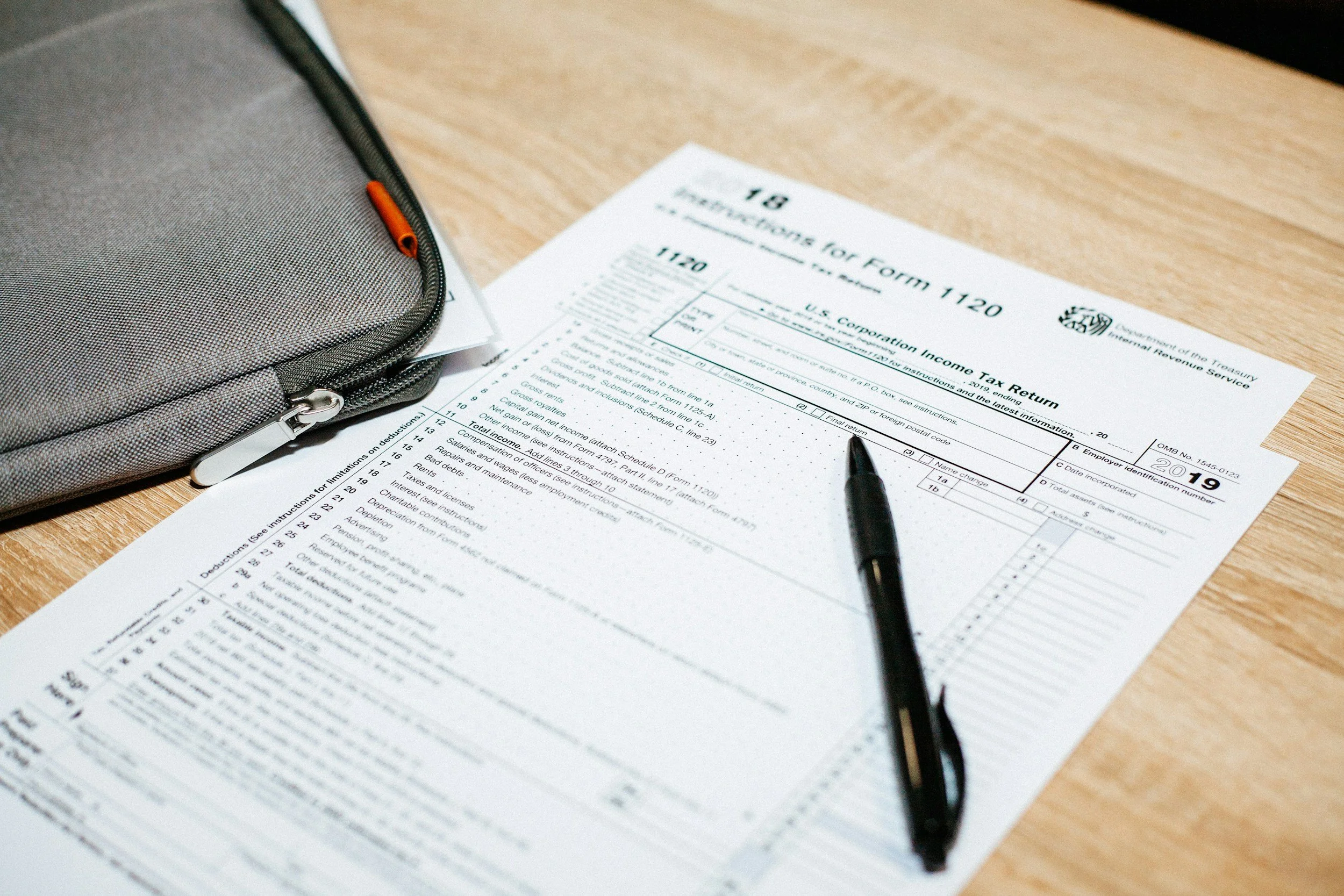
Tips Every Veteran Should Know Before Submitting Any Type of VA Form
Before submitting in a VA form, taking these simple steps can save you from delays or potential denials. First, make sure you’re using the correct VA form for your situation. Each VA form serves a specific purpose, and using the wrong one may delay your claim right from the start. Second, always double-check that you have included the correct identifying information for yourself, including your full name, Social Security number, and date of birth, so the VA can match your form to your file without issue. Finally, be sure to submit your completed form to the correct place, whether that is through VA.gov, by mail, or via the intake center listed on the form’s instructions. Following these basic tips will help keep your claim moving smoothly and reduces the risk of avoidable processing delays. Click to watch our video

VA Terminology Breakdown – Direct vs. Secondary Service Connection
When filing for VA disability benefits, understanding the difference between direct and secondary service connection is essential. A direct service connection means your disability was directly caused by an event, injury, or illness that occurred during your military service. This is the most straightforward path—your condition began in service or can be clearly linked to something that happened while you were in service. A secondary service connection, on the other hand, applies when a service-connected disability causes or aggravates another condition. For example, a veteran with an already service-connected back condition may develop radiculopathy in the lower extremities due to nerve involvement stemming from that back issue. In this situation, radiculopathy can be claimed as secondary to the back condition. Knowing which type of connection fits your situation helps you gather the right evidence and strengthen your claim. Click to watch our video

Returning to Work With a TDIU Grant – Is it Possible?
Many veterans wonder whether they can return to work after receiving Total Disability based on Individual Unemployability (TDIU), and the answer really depends on your specific situation. Unless you directly notify the VA, they will typically learn you returned to work after the tax filing period. If your earned income is above the poverty threshold, which is $15,650 for 2025, the VA will send you a notification letter proposing to remove your entitlement to TDIU. You will have the chance to respond and explain your work situation before any final decision is made. If your employment was temporary, performed in a protected work environment, or your earnings stayed below the poverty threshold, you may still be able to keep your TDIU benefits. However, if none of these exceptions apply and your income exceeds the limit, the VA will ultimately terminate TDIU grant. Understanding these rules helps veterans make informed decisions about returning to work without risking their benefits. Click to watch our video

Understanding Your VA Rating Decision – Key Things to Check
When you receive an initial VA rating decision, taking a few minutes to review the details may help you prevent future inconveniences. Start with the cover letter (notification letter) and make sure your name and address are correct. Check the date on the letter, since this determines the one-year window you have to file an appeal if needed. The cover letter also includes a brief summary of your decision, your combined disability rating, and your monthly payment amount. If you have dependents, make sure to verify that the VA is paying you for the correct amount of dependents. This will help prevent any overpayments or underpayments. Next, take a look at the rating decision narrative. Confirm that your name, Social Security number, branch of service, and service dates are accurate. Review the summary of the VA’s decision and the list of evidence considered to ensure everything submitted is properly documented and nothing important is missing. Taking the time to double-check these sections helps you catch errors early and protects your right to challenge anything that doesn’t look correct. Click to watch our video

TDIU Benefits + Employment: Protected Work Environments May Make It Possible
There are two key exceptions where the VA may still grant TDIU even if a veteran is working: when the veteran earns marginal income or when the veteran is employed in a protected work environment. A protected work environment is a job where the veteran is given unreasonable accommodations that would not typically be allowed in a competitive work setting. This may include being hired by a friend or family member who overlooks performance issues, being allowed to miss frequent days of work or show consistent tardiness without penalty, or working in a role where the veteran does not have to interact with other employees. One of the most helpful pieces of evidence to support this exception is a statement from your employer describing the specific accommodations that you receive. This can make a significant difference in proving that your employment qualifies as protected and does not disqualify you from TDIU. Click to watch our video